


World Cup Predictions 2026: Expert Picks, Favorites, Dark Horses & Tournament Forecasts

As anticipation builds for the FIFA World Cup 2026, football fans, analysts, and prediction markets are already evaluating which nations have the strongest chance of lifting the trophy. With an expanded 48-team format and matches hosted across North America, the tournament is expected to deliver new challenges, fresh storylines, and greater unpredictability than previous editions.
World Cup predictions are typically based on a combination of team quality, recent performances, tactical strength, player availability, and historical tournament success. While established football powers often enter as favorites, past tournaments have shown that emerging nations can exceed expectations and reshape the competition. This guide explores the leading contenders, potential dark horses, and the factors that could determine the 2026 World Cup winner.
For those interested in data-driven forecasting, Bitget Wallet provides access to prediction markets where users can follow market sentiment surrounding sports, crypto, and other global events.
Key Takeaways
-
Leading football nations are expected to enter the 2026 World Cup as favorites based on squad depth, experience, and recent performances.
-
Several emerging teams have the potential to outperform expectations and challenge traditional contenders.
-
Expert analysis, statistical models, and prediction market data all play a role in shaping modern World Cup predictions.
What Are World Cup Predictions?
World Cup predictions are forecasts that estimate each team's chances of winning the FIFA World Cup. Rather than relying solely on opinions or rankings, modern forecasts use data, statistical models, and prediction market sentiment to evaluate potential outcomes.
As the 2026 FIFA World Cup approaches, fans are increasingly turning to forecasts to identify favorites, spot dark horses, and understand how expectations change before the tournament begins.
Source: Wikipedia
Understanding How World Cup Forecasts Are Made
No single statistic can predict a World Cup winner. Instead, analysts combine multiple factors to build a more complete picture of each team's chances.
| Forecasting Factor |
Why It Matters |
| Recent Form |
Shows how a team is performing heading into the tournament |
| FIFA Rankings |
Measures international performance over time |
| Elo Ratings |
Provides an alternative view of team strength |
| Squad Depth |
Helps teams cope with injuries and fixture congestion |
| Player Availability |
Missing key players can significantly impact results |
| Advanced Metrics (xG) |
Reveals performance beyond the final score |
| Coaching & Tactics |
Often make the difference in knockout matches |
World Cup forecasts are constantly evolving. A strong qualifying campaign can improve a team's outlook, while injuries, poor form, or difficult draws can lower expectations.
Most modern prediction models consider:
-
Team and player performance data
-
Historical tournament results
-
Squad quality and depth
-
Tactical consistency
-
Market sentiment and probability trends
Prediction markets add another layer by reflecting how expectations change in real time. As new information emerges, probabilities adjust to provide an updated view of the teams most likely to compete for football's biggest prize.
2026 World Cup Predictions: Which Teams Are Favorites to Win?
The race for the 2026 FIFA World Cup is already shaping up around a small group of elite national teams. While forecasts will evolve closer to the tournament, current models consistently highlight a core set of favorites based on squad strength, recent form, and international performance.
Top Contenders Most Likely to Lift the Trophy
-
Argentina — Defending champions with elite tournament experience and a proven core

-
Source: FOX Sports
-
France — Deepest squad in world football with consistent knockout-stage success
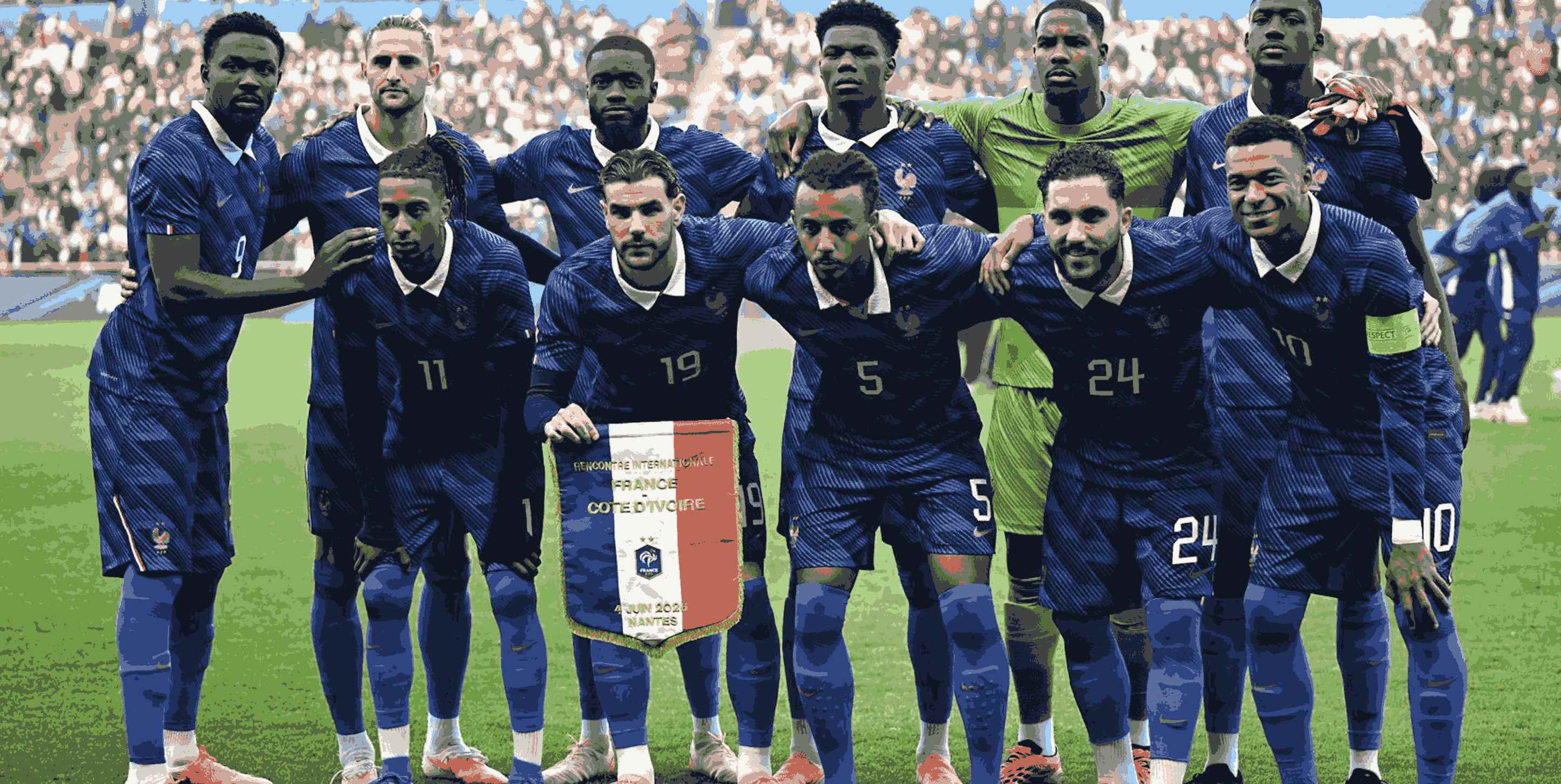
-
Source: Opta Analyst
-
Brazil — Constant contender with elite attacking talent and strong squad depth
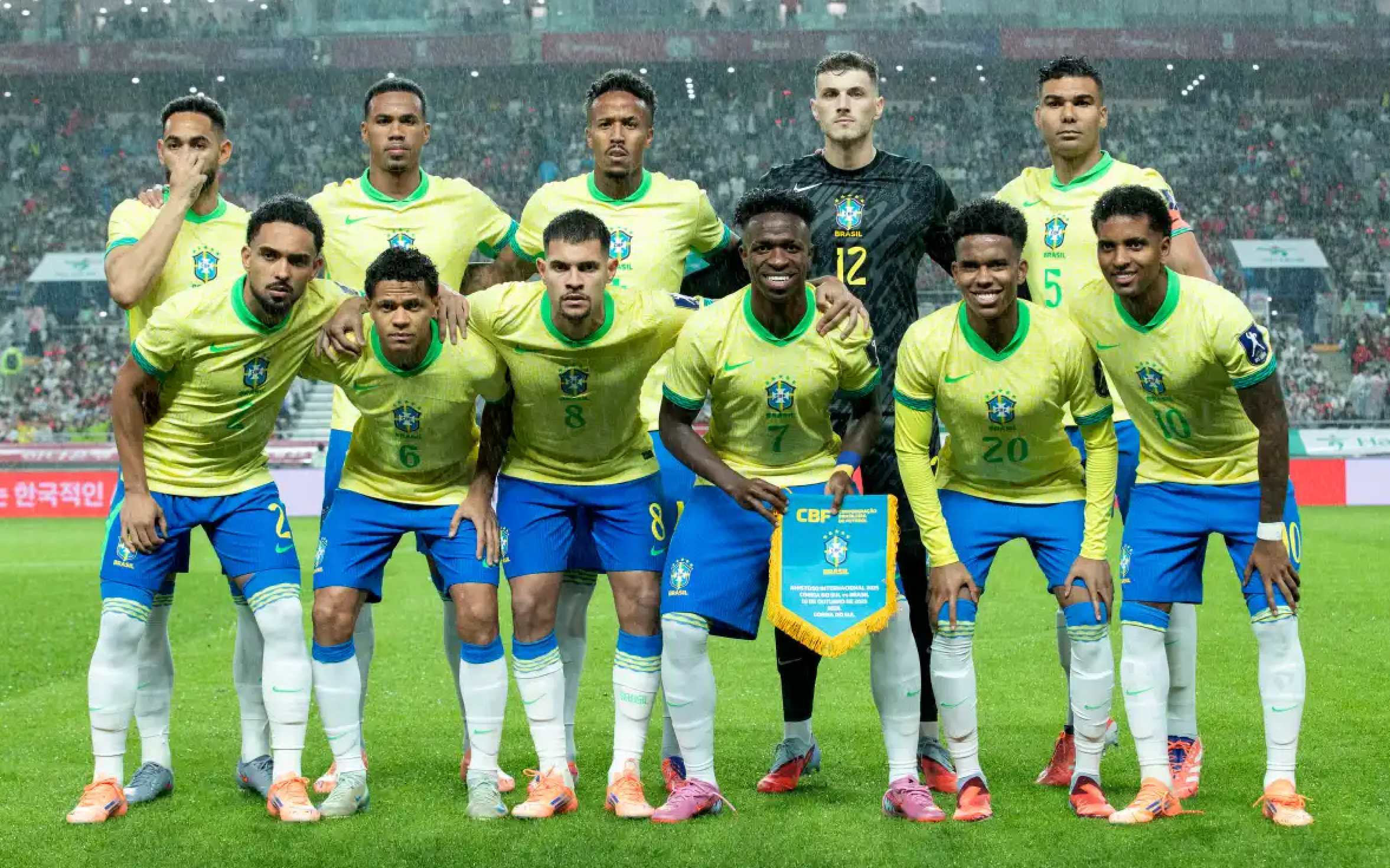
-
Source: Amny
-
England — Strong generation of players and improving tournament performances
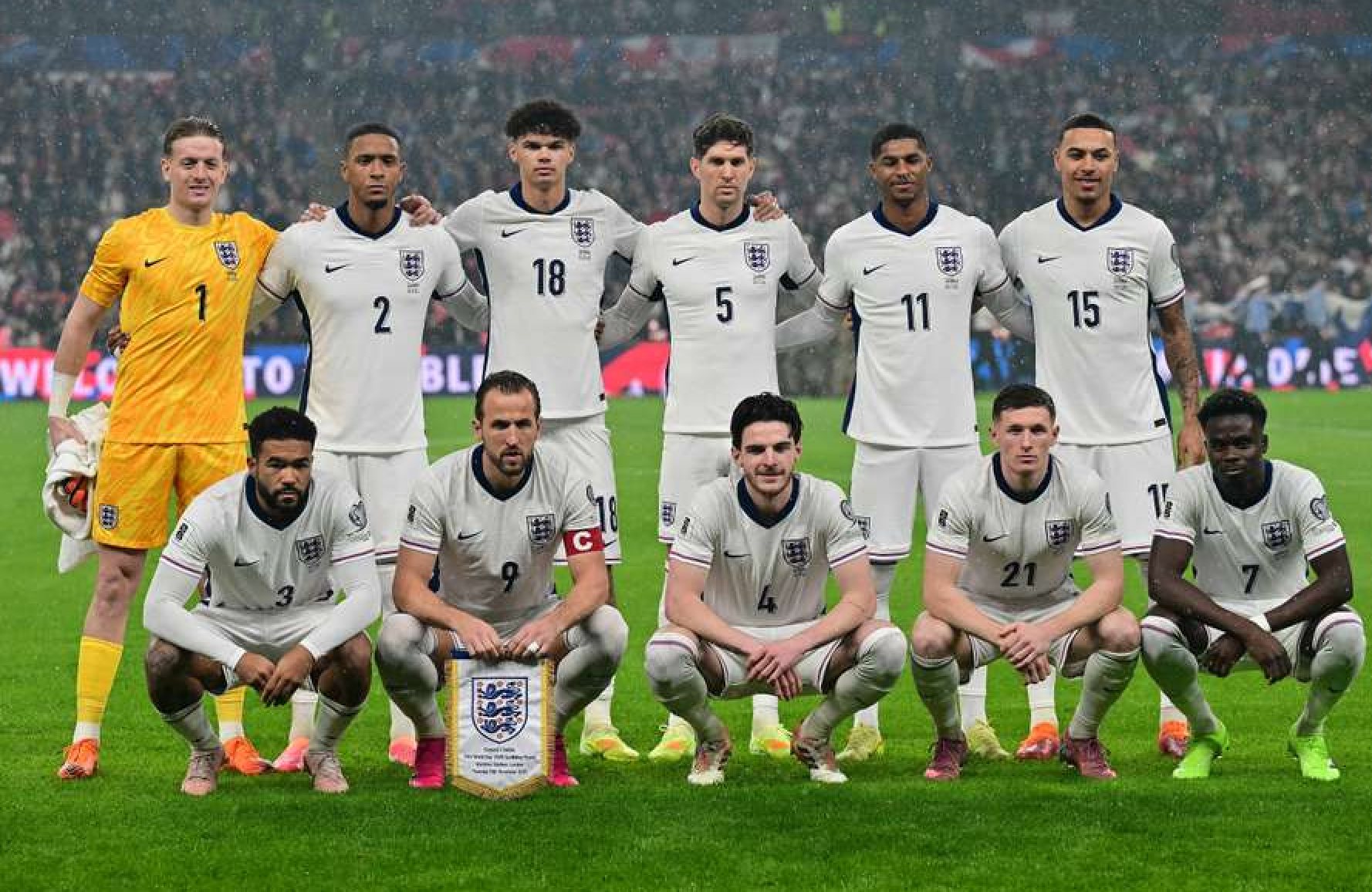
-
Source: Flashscore
-
Spain — Technically dominant team built around a young, high-quality midfield
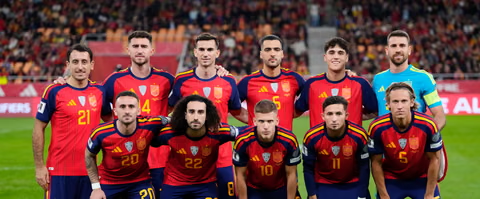
-
Source: The Guardian
-
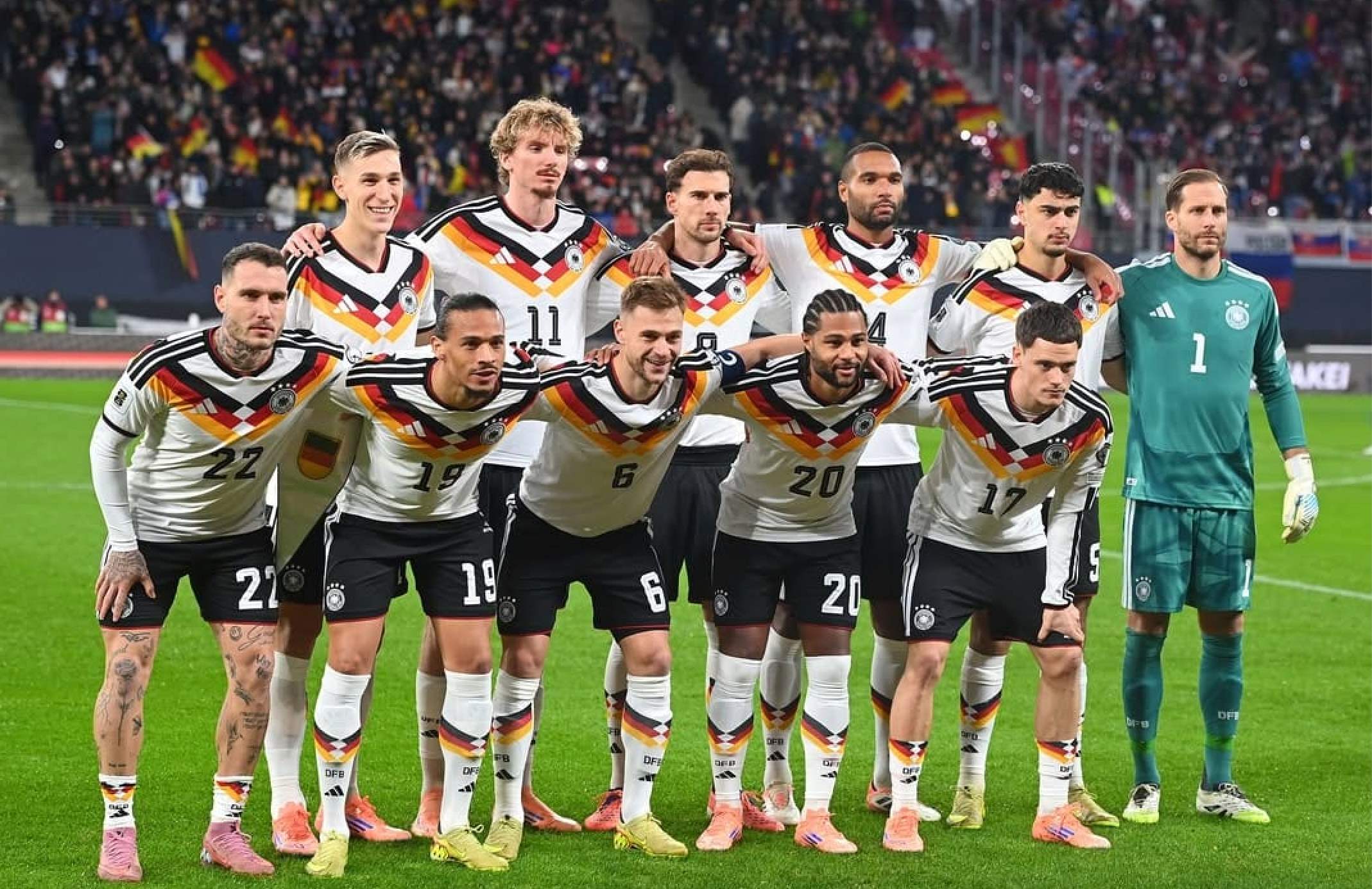
Germany — Rebuilding but historically strong in World Cup competition
-
Source: Vavel
Dark Horse Teams That Could Surprise the World
While favorites dominate most World Cup predictions, every tournament produces teams that outperform expectations. These dark horses may lack the reputation of traditional powerhouses, but they often possess the qualities needed to make a deep tournament run.
Underrated Nations With the Potential for a Deep Tournament Run
| Team |
Why They're Worth Watching |
| Morocco |
Reached the 2022 semifinals and proved they can compete with elite nations on the biggest stage |
| Japan |
Tactical discipline, strong organization, and an increasing number of players in Europe's top leagues |
| United States |
Home advantage, a talented young squad, and growing experience against top-level competition |
| Croatia |
Consistent overachievers with a proven track record in major international tournaments |
| Denmark |
Well-organized team capable of frustrating stronger opponents in knockout matches |
Why Dark Horses Matter?
Recent World Cups have shown that results don’t always match rankings or reputation. Teams outside the favorites can still go deep in the tournament when everything clicks at the right time, especially in knockout football where small margins decide matches.
Croatia reached the 2018 World Cup Final, and Morocco reached the 2022 World Cup Semifinals despite not being seen as top contenders before the tournament started.
That’s why World Cup predictions aren’t only about picking the strongest teams. They also have to account for sides that can outperform expectations once the pressure of the tournament begins.
Key Factors That Influence World Cup Predictions
World Cup predictions shift based on a mix of performance data and tournament conditions rather than talent alone. As the tournament approaches, these variables become key inputs in forecasting models and market sentiment.
Data, Form, and Tournament Variables
| Factor |
Why It Matters in Predictions |
| Team Form |
Reflects momentum from recent matches and is often weighted heavily in short-term probability models |
| Injuries |
Missing key starters can shift win probabilities significantly, especially for teams with limited depth |
| Squad Depth |
Determines whether performance levels can be maintained across 3–7 knockout matches |
| Coaching |
Impacts in-game adjustments and tactical flexibility against elite opponents |
| Tournament Draw |
Can increase or decrease advancement probability depending on opponent difficulty in each round |
| Team Chemistry |
Influences consistency, especially under high-pressure knockout conditions where coordination errors are costly |
How These Factors Shift Prediction Accuracy
World Cup predictions are not static because each factor changes at a different time and speed. Some inputs, like team form, update continuously, while others, like squad depth or coaching quality, remain relatively stable. Injuries and tournament draws often act as sudden “reset points” that force models to recalculate probabilities rather than adjust them slightly.
This is why forecasts become more volatile closer to the tournament, when new information starts impacting multiple variables at once.
How Prediction Markets Shape Modern World Cup Predictions?
Forecasting is no longer limited to journalists or statistical models. Prediction markets now play a growing role by reflecting how expectations shift in real time as new information emerges during the World Cup cycle.
Using Collective Market Sentiment to Forecast Tournament Outcomes
Prediction markets aggregate the views of many participants and convert them into continuously updating probabilities. Instead of a single opinion, they produce a live snapshot of how the crowd evaluates each team’s chances based on current information.
Why Fans Follow Prediction Markets
-
Prices adjust immediately after injuries, squad updates, or major results
-
Probabilities reflect real-time shifts in sentiment
-
They provide a complementary view to statistical models and expert analysis
-
Useful for tracking momentum changes across teams over time
Prediction Markets vs Expert Forecasts
| Prediction Markets |
Expert Analysis |
| Aggregate crowd behavior into probabilities |
Use tactical and technical football expertise |
| React instantly to news and events |
Provide deeper contextual interpretation |
| Continuously updated pricing |
Periodic or pre-published evaluations |
| Highlight sentiment shifts and momentum |
Explain underlying causes and football logic |
Prediction markets capture what people expect right now, while expert forecasts explain why those expectations exist. Most accurate tournament outlooks combine both perspectives rather than relying on one alone.
Tracking World Cup Predictions With Bitget Wallet
As interest in World Cup predictions and prediction markets grows ahead of the 2026 FIFA World Cup, more fans are using platforms like Bitget Wallet to track how market sentiment changes in real time. These tools help users follow shifting probabilities for favorites, dark horses, and emerging tournament narratives based on live market activity.
Exploring Prediction Markets for Major Football Events
Bitget Wallet provides access to prediction market ecosystems where users can monitor how expectations evolve before and during major international football tournaments.
By tracking market movements, users can gain additional context on:
-
Which teams are gaining or losing support
-
How injuries and squad updates affect probability shifts
-
How public sentiment compares with statistical forecasts
This makes prediction markets a complementary tool alongside traditional football analysis, especially when evaluating the evolving outlook of the 2026 FIFA World Cup.
Best Practices for Following Prediction Markets
To use prediction markets effectively, it is important to combine them with independent research and football analysis.
Key principles include:
-
No prediction is guaranteed — all outcomes remain probabilistic
-
Market sentiment changes quickly based on news, injuries, and results
-
Context matters — odds should be interpreted alongside team performance data
-
Team news is critical and often drives sharp probability adjustments
-
Multiple sources provide better accuracy than relying on a single signal
Building a More Complete Forecasting Approach
The most reliable approach to World Cup predictions combines three elements:
-
Prediction markets to track real-time sentiment
-
Statistical models to measure team performance objectively
-
Expert analysis to provide tactical and contextual insight
Used together, these methods provide a more balanced and data-informed understanding of which teams are most likely to compete for the 2026 FIFA World Cup title.
Conclusion
World Cup predictions for the 2026 FIFA World Cup are built from a mix of statistical models, team performance data, and prediction market sentiment that shifts as new information becomes available. While top teams often lead early forecasts, the picture continues to change as injuries, form, and tactical factors come into play.
Because of this uncertainty, the most reliable approach is to combine data analysis, expert insight, and prediction markets like Bitget Wallet. Together, these provide a more balanced understanding of how expectations evolve and which teams are truly positioned to compete for the title.
Track how World Cup predictions change in real time with Bitget Wallet. Explore prediction markets, follow shifting odds, and stay ahead of tournament sentiment as the 2026 FIFA World Cup unfolds.
Sign Up Bitget Wallet Now-Start Exploring Web3
FAQs: World Cup Predictions
What are World Cup predictions based on?
World Cup predictions are based on a combination of statistical models, team performance data, player availability, coaching quality, and prediction market sentiment that changes as new information becomes available.
How accurate are World Cup predictions?
World Cup predictions are probabilistic, not exact. They estimate each team’s chances of winning, but these probabilities can shift due to injuries, form changes, tactical decisions, and tournament developments.
Which teams are usually favored in World Cup predictions?
Teams such as Brazil, France, Argentina, England, and Spain are commonly favored due to their squad depth, international experience, and consistent performance in major tournaments.
What role do prediction markets play in World Cup forecasts?
Prediction markets reflect real-time crowd sentiment by adjusting probabilities based on news, match results, and emerging tournament narratives, offering a dynamic view of expectations.
How can I track World Cup predictions in real time?
World Cup predictions can be tracked through statistical models, expert analysis, and prediction markets such as Bitget Wallet, which help users monitor how probabilities and sentiment evolve before and during the tournament.
Risk Disclosure
Please be aware that cryptocurrency trading involves high market risk. Bitget Wallet is not responsible for any trading losses incurred. Always perform your own research and trade responsibly.

- SpaceX Stock: What Is the Latest SpaceX IPO Update in 2026?2026-06-12 | 5 mins
 FIFA World Cup Odds 2026: How to Bet on the World Cup 2026 Winner2026-03-03 | 5mins



