





What is a Backdoor Wallet?
Backdoor is an experimental, community-derived token that has captured the interest of researchers and developers alike. Built on the EVM (Ethereum Virtual Machine) blockchain, the project is characterized by its unique origin story—the community identifies its roots in the code name 'AJ,' an AI developer who pioneered the concept of a local proxy. As a derivative initiative, Backdoor operates with an anonymous founding team, focusing on the intersection of blockchain and artificial intelligence.
The core objective of the Backdoor project is to explore the technical and governance pathways for AI model interoperability. By integrating hidden channel or 'proxy' technology, the project aims to bridge the gap between on-chain data and off-chain AI models. Because Backdoor is an EVM-based token, it functions seamlessly within the broader Ethereum ecosystem, allowing users to leverage smart contracts for governance and data interaction. For those looking to engage with this project, a Backdoor wallet is simply an EVM-compatible wallet that allows you to store, send, and interact with the token.
Download Bitget Backdoor Wallet
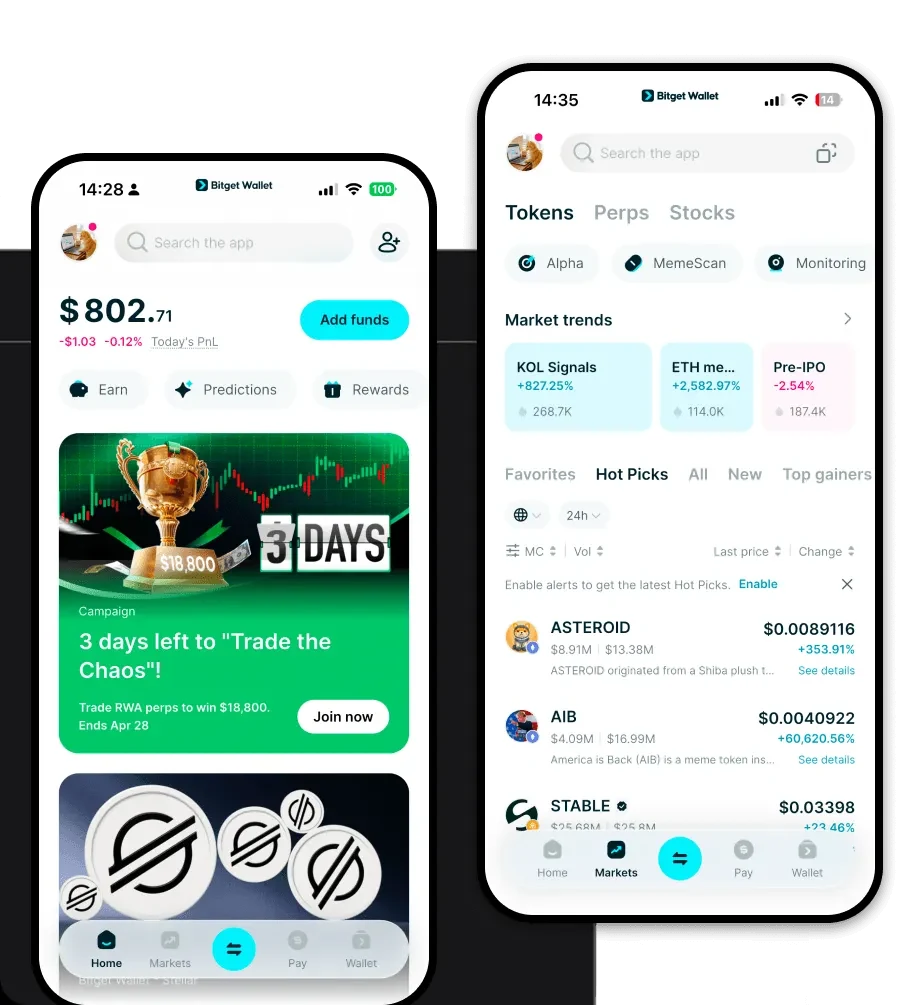
To participate in the Backdoor ecosystem, you need a robust, user-friendly interface. Bitget Wallet stands out as a premier choice for managing your assets, offering a seamless experience for both beginners and advanced users. Whether you are using a desktop browser or a mobile device, the platform provides full support for the EVM network, ensuring that your Backdoor tokens are always accessible.
Bitget Wallet offers comprehensive features, including multi-chain support, self-custody of private keys, and a dedicated DApp browser. You can download Bitget Wallet for iOS, Android, or as a browser extension to get started immediately. By choosing a self-custodial option, you retain full control over your assets, which is essential for projects with community-driven governance like Backdoor.
Why Choose Bitget Backdoor Wallet?
Selecting the right application for your tokens is critical, especially when dealing with experimental meme and AI-integrated assets. Here is why Bitget Wallet is the best wallet for Backdoor:
- EVM Compatibility: As a token built on the EVM, Backdoor requires a wallet that perfectly understands Ethereum-based smart contracts. Bitget Wallet offers native support, ensuring that gas fee estimations and transaction speeds are optimized for your trades.
- Advanced DApp Browser: The Backdoor project relies on AI-proxy research and community interaction. The integrated DApp browser allows you to connect directly to decentralized platforms and experimental sites without leaving the safety of your wallet.
- Security and Protection: With a 300 million USD user protection fund, Bitget provides an extra layer of security that is vital for speculative and experimental tokens, protecting you against potential vulnerabilities.
- Seamless Import: If you already use other wallets like MetaMask, you can import your existing address into Bitget Wallet in seconds, maintaining your history while gaining access to superior multi-chain features.
How to Create a Backdoor Wallet
Creating your wallet is a straightforward process that takes only a few minutes. Follow these steps to set up your account:
1. Install the App: Visit the official website to download the Bitget Wallet app on your preferred device.
2. Create a New Wallet: Open the app and select 'Create a New Wallet.' Make sure to back up your 12-word mnemonic phrase securely; never share this with anyone.
3. Select the Network: Since Backdoor is an EVM token, ensure your wallet is set to the Ethereum Mainnet or the relevant EVM-compatible chain where your tokens reside.
4. Add the Token: Navigate to the token management section, search for the Backdoor contract address, and add it to your visible asset list.
5. Verify Your Address: You will now have a unique public wallet address. You can share this to receive tokens or use it to connect to decentralized exchanges.
What Can You Do With a Backdoor Wallet?
Owning a Backdoor wallet opens the door to several specific activities tailored to the project's unique nature:
- Speculative Trading: You can use your wallet to manage your positions on various decentralized exchanges, taking advantage of the liquidity available for Backdoor in the current market.
- Community Participation: By holding the token in your self-custodial wallet, you verify your status as a community member, allowing you to participate in experimental governance discussions and community-led initiatives.
- Governance Signal Exploration: You can interact with specific smart contracts designed for signaling, helping you participate in the project's exploration of decentralized governance pathways.
- AI-Integration Research: Users can utilize the wallet to experiment with on-chain data interactions, testing how the 'hidden channel' or proxy technology functions in real-world scenarios.
How Backdoor Wallets Are Different from Other Crypto Wallets
When you use a wallet for an EVM-based token like Backdoor, you are utilizing an account-based model rather than a UTXO model. Unlike Bitcoin, which tracks unspent transaction outputs, the EVM model tracks account balances and state changes. This is crucial for Backdoor because it allows for complex smart contract interactions, which are necessary for the project's AI-proxy and governance features.
Furthermore, because Backdoor operates on the EVM, your wallet must manage gas fees, which are the costs required for every transaction on the network. Bitget Wallet simplifies this by providing real-time gas fee adjustments, ensuring that your transactions are processed efficiently even during periods of high network congestion. This stands in contrast to wallets designed for non-EVM chains, which may not support the specific smart contract standards that Backdoor developers use for their AI experiments.
