





What is a wsttate Wallet?
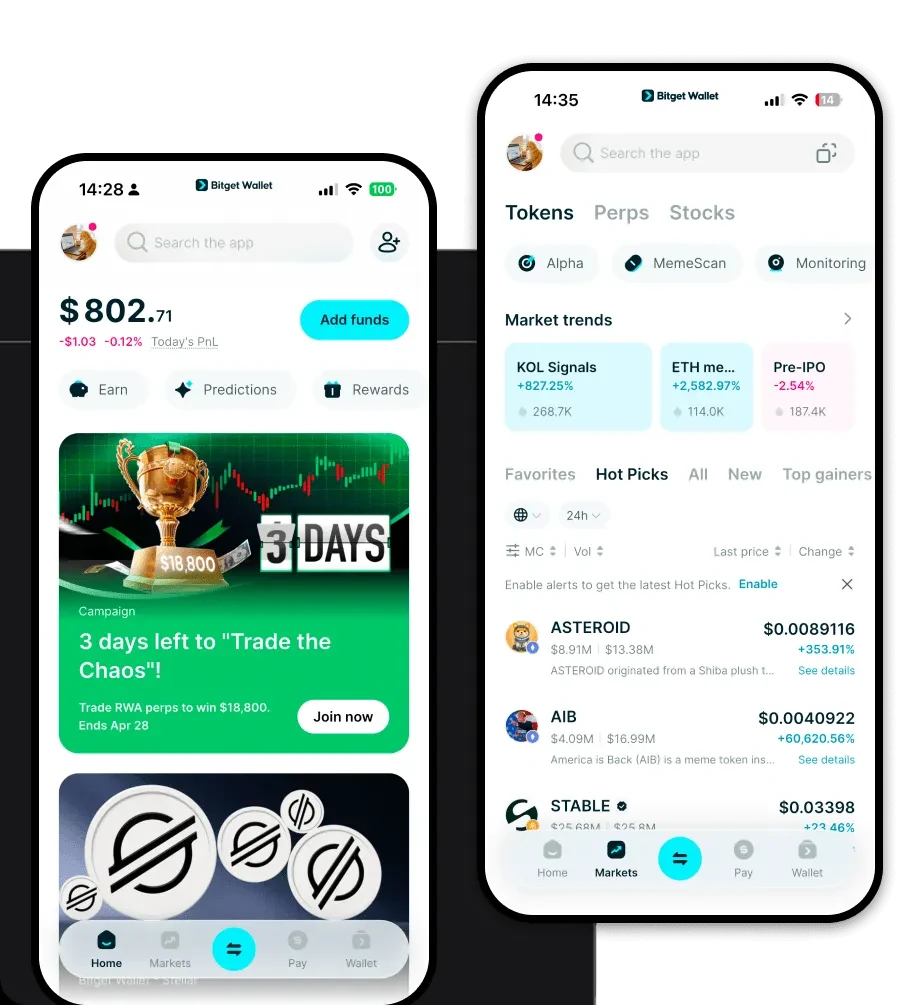
A wsttate wallet is a digital interface designed to securely hold, manage, and interact with the wsttate token, which operates primarily on the EVM (Ethereum Virtual Machine) ecosystem. As a liquid staking derivative, wsttate represents staked assets that continue to accrue value, requiring a wallet that understands complex DeFi token standards. Are you looking for a reliable and secure crypto wallet for your wstTATE? Bitget Wallet will be your best choice. Trusted by 40 million users, you can freely explore Web3 on Bitget Wallet. Start your journey now!
Download Bitget wsttate Wallet
To begin managing your assets, you need a gateway that bridges the gap between simple storage and advanced DeFi functionality. Bitget Wallet provides a robust, non-custodial solution that empowers you to maintain complete control over your private keys. With comprehensive support for over 130+ blockchains, it is the ideal tool for managing EVM-based tokens like wsttate. Whether you prefer mobile flexibility or desktop integration, you can download Bitget Wallet across iOS, Android, and as a browser extension to ensure your assets are always accessible.
Why Choose Bitget wsttate Wallet?
- Native EVM Compatibility: Designed specifically for the Ethereum Virtual Machine, Bitget Wallet ensures seamless interaction with smart contracts and dApps that support wsttate, minimizing integration errors.
- Advanced DeFi Composability: The wallet is built to handle interest-bearing assets natively, allowing you to track the growth of your staked positions directly within the interface without needing external portfolio trackers.
- Seamless Liquid Staking Integration: Unlike generic wallets, Bitget Wallet offers optimized pathways for liquid staking protocols, making it easier to stake and unstake without navigating complex, third-party sites.
- Institutional-Grade Security: With a $300 million user protection fund, Bitget Wallet adds an extra layer of defense for your DeFi assets, ensuring that your long-term staking strategies remain shielded from common vulnerabilities.
How to Create a wsttate Wallet
1. Download and Install: Visit the official Bitget Wallet website or your device's app store to download the application.2. Create a New Wallet: Open the app, select 'Create a New Wallet,' and set a strong, unique password.3. Backup Your Recovery Phrase: Carefully record your 12-word or 24-word seed phrase. Store this offline, as it is the only way to recover your assets.4. Add the Token: Since wsttate is an EVM token, navigate to the 'Add Token' section and search for the specific contract address of wsttate on the relevant EVM chain to ensure it appears in your dashboard.5. Confirm and Connect: Once added, your wallet address is ready to receive and send tokens, and you can connect to DeFi protocols via the built-in DApp browser.
What Can You Do With a wsttate Wallet?
Staking: You can participate in the underlying consensus mechanism by staking your base assets to receive wsttate, ensuring your capital remains productive.Yield Farming: Utilize your wsttate in various liquidity pools across EVM decentralized exchanges to earn additional rewards on top of your existing staking yield.Providing Liquidity: You can deposit your wsttate into automated market makers (AMMs) to facilitate trades for other users, earning a portion of the transaction fees generated by the pool.Collateralized Lending: Use your wsttate as collateral on DeFi lending platforms to borrow stablecoins or other assets without having to sell your staked positions.Trading: Seamlessly swap your wsttate for other tokens or ETH through the wallet's integrated DEX aggregator, which sources the best rates across hundreds of liquidity providers.
How wsttate Wallets Are Different from Other Crypto Wallets
Managing an EVM-based DeFi asset like wsttate requires more than just a basic balance display. Unlike Bitcoin wallets that rely on UTXO models and simple transaction history, a wsttate wallet must be fully 'Account-based.' This means the wallet must be capable of interacting with smart contract logic to track accrued interest and staking rewards. Furthermore, because wsttate is tied to the EVM ecosystem, the wallet must efficiently handle Gas fees—the native token required to process transactions. A specialized wallet like Bitget ensures that these Gas calculations are accurate and that the wallet interface is optimized for the high-speed, low-latency demands of modern DeFi protocols, providing a superior user experience compared to legacy wallets that lack native smart contract support.
