





What is a Patricia Wallet?
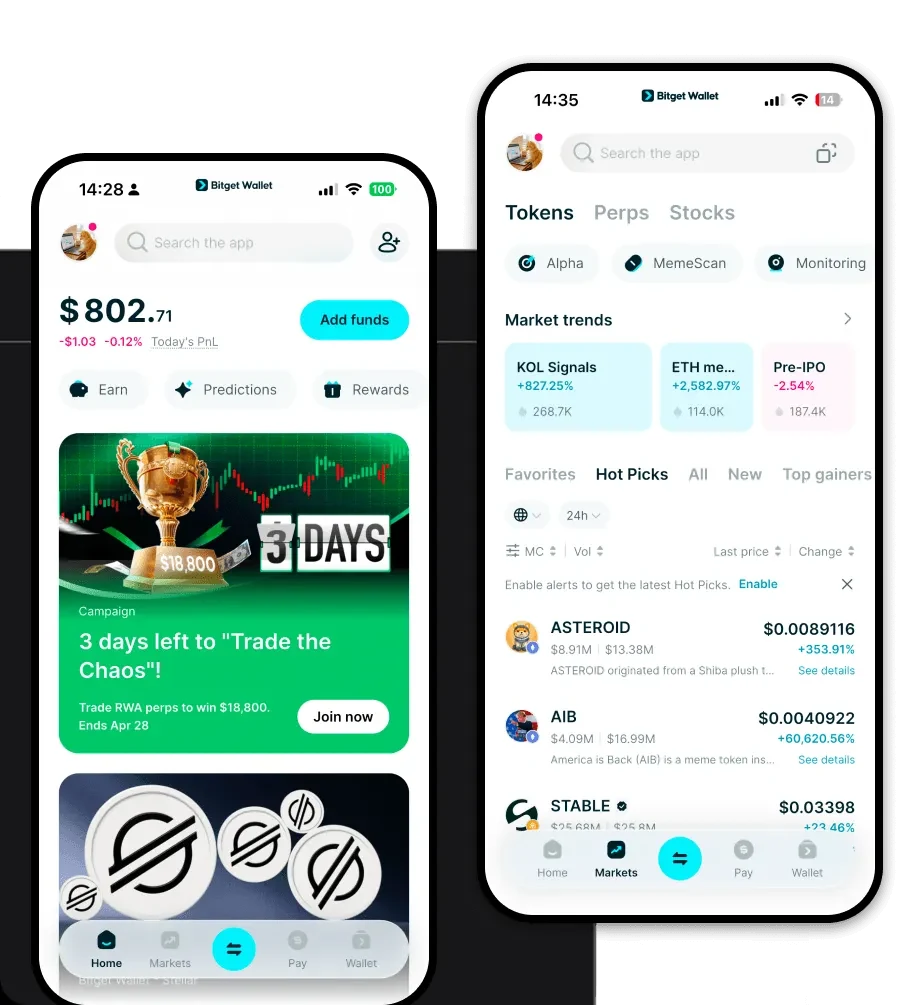
A Patricia wallet is a specialized interface designed to interact with the Patricia ecosystem, which operates primarily on the EVM (Ethereum Virtual Machine) blockchain architecture. Because Patricia utilizes EVM standards, it requires a wallet that can seamlessly interpret smart contracts, manage gas fees, and interact with decentralized applications within the Ethereum-compatible landscape. Are you looking for a reliable and secure crypto wallet for your Patricia? Bitget Wallet will be your best choice. Trusted by 40 million users, you can freely explore Web3 on Bitget Wallet. Start your journey now!
Download Bitget Patricia Wallet
Getting started with your digital assets shouldn't be complicated. To begin, you can download Bitget Wallet directly via their official website or through your device's app store. Bitget Wallet offers comprehensive cross-platform accessibility, ensuring you can manage your portfolio whether you are on iOS, Android, or using a browser extension. Unlike centralized exchanges, Bitget provides a non-custodial environment, meaning you maintain full control over your private keys and seed phrases. It is designed to support the vast array of EVM-compatible tokens, making it a unified hub for your entire crypto journey.
Why Choose Bitget Patricia Wallet?
- EVM Compatibility: Built specifically to handle EVM-based assets, ensuring smooth interaction with smart contracts and decentralized finance protocols.
- Robust Security Architecture: With a $300 million user protection fund, Bitget Wallet adds an extra layer of defense against malicious dApps and unauthorized access.
- Seamless Fiat-to-Crypto Gateway: Easily convert your local currency into digital assets, simplifying the entry process for new users.
- Advanced Portfolio Tracking: Monitor your Patricia holdings and other EVM assets in real-time with an intuitive, unified dashboard.
- Smart Gas Management: Optimize your transaction costs with automated gas fee suggestions, a critical feature for frequent EVM network users.
How to Create a Patricia Wallet
1. Download and Install: Visit the official Bitget Wallet website and install the application for your preferred device (mobile or desktop extension).
2. Initialize Wallet: Open the app and select 'Create a New Wallet' to generate a unique address for the EVM network.
3. Secure Your Recovery Phrase: Carefully back up your 12-word recovery phrase. Store it offline, as this is the only way to recover your funds if you lose device access.
4. Verify Address: Once set up, your wallet will automatically generate a public address compatible with the EVM blockchain, ready to receive Patricia.
5. Import or Deposit: You can now import existing assets using your private key or simply share your public address to receive Patricia tokens directly into your account.
What Can You Do With a Patricia Wallet?
Digital Asset Storage: Securely hold your Patricia tokens in a non-custodial environment where you are the sole owner of your assets.
Cross-border Payments: Utilize the speed of the EVM network to send value globally, bypassing traditional banking delays and restrictions.
Token Swaps: Access aggregated DEX liquidity to exchange Patricia for other tokens instantly with minimal slippage.
Portfolio Tracking: Use the built-in analytics tools to monitor the performance of your Patricia holdings alongside your other Web3 assets.
Web3 dApp Interaction: Connect your wallet to various decentralized applications to participate in governance, staking, or liquidity provision without leaving the app.
How Patricia Wallets Are Different from Other Crypto Wallets
Unlike Bitcoin wallets that rely on the UTXO (Unspent Transaction Output) model, a Patricia wallet operating on the EVM infrastructure utilizes an account-based model. This means your wallet functions like a bank account balance, making it much easier to interact with complex smart contracts. While UTXO wallets are excellent for simple peer-to-peer transfers, EVM-compatible wallets like Bitget are essential for DeFi activities. Furthermore, because these wallets calculate gas fees based on network congestion, they offer a more dynamic experience compared to older, static-fee wallet technologies.
