





What is a CVC Wallet?
A CVC wallet is a secure digital interface designed to store, send, and receive Civic (CVC) tokens. Because CVC operates as an asset within the EVM (Ethereum Virtual Machine) ecosystem, a compatible wallet is essential for interacting with the token’s functionality. Civic (CVC) is an identity management solution that allows users to verify their identity and control their personal data across various platforms. By leveraging blockchain technology, Civic provides a secure and decentralized way for individuals to manage their digital identity and for businesses to verify user credentials without storing sensitive information.
When you use a CVC wallet, you are not just holding a token; you are holding the key to a decentralized identity ecosystem. Because it is built on EVM architecture, your wallet acts as a gateway to the broader Ethereum-compatible landscape, allowing for interoperability with countless dApps and DeFi protocols that support identity verification and credential management.
Download Bitget CVC Wallet
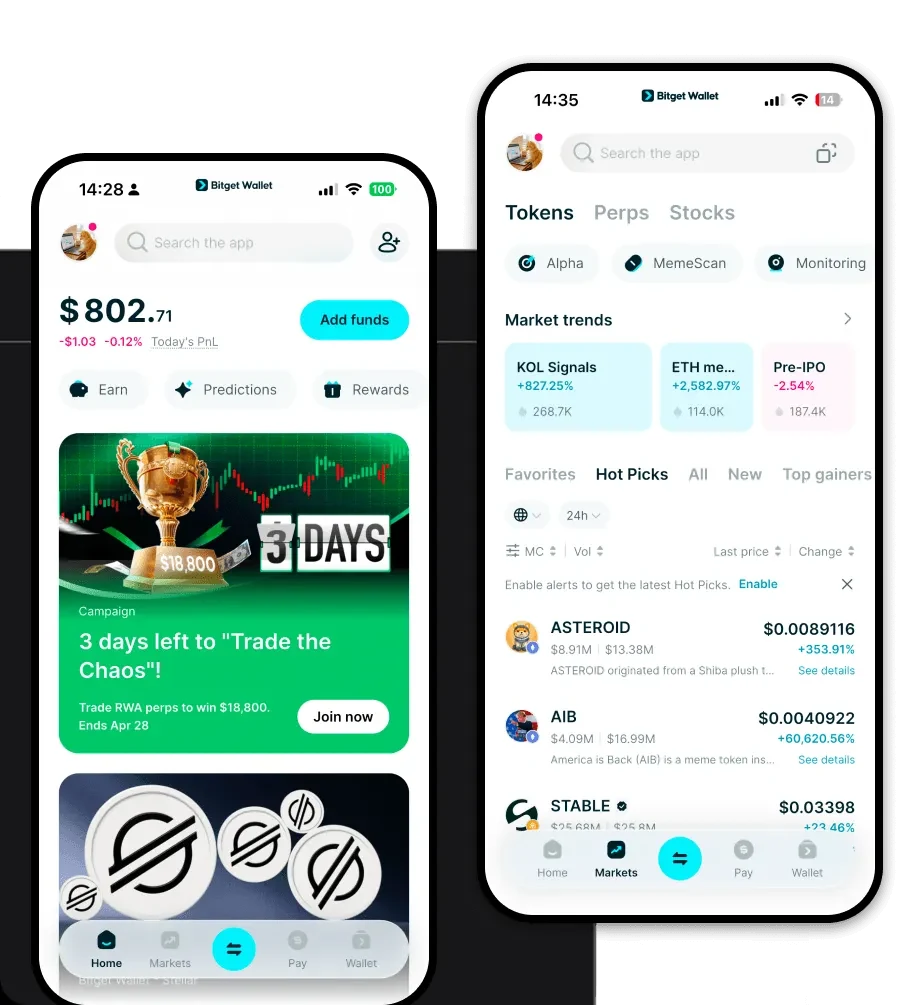
Choosing the right tool is the first step toward effective asset management. The Bitget Wallet app provides a robust, user-friendly environment for managing your CVC tokens. As a non-custodial solution, it ensures that you maintain full control over your private keys, meaning your assets are never held by a third party. The platform supports a vast array of chains and tokens, making it a versatile hub for your entire crypto portfolio. Whether you are using iOS, Android, or the browser extension, the experience is optimized for speed and security. You can download Bitget Wallet to get started immediately and enjoy a seamless, multi-chain experience that simplifies the complexity of the Web3 world.
Why Choose Bitget CVC Wallet?
Selecting the best wallet for CVC requires looking beyond simple storage. Bitget Wallet is engineered to handle the nuances of EVM tokens and infrastructure projects, providing specific advantages for users:
- EVM Ecosystem Optimization: Bitget Wallet is built with deep EVM integration, ensuring that interacting with CVC—which requires fast and reliable transaction processing—is smooth and efficient.
- Infrastructure-Grade Security: Given that CVC is an infrastructure token, you need a wallet that prioritizes safety. Bitget utilizes a multi-layered protection system, including a $300 million user protection fund, to safeguard your credentials and assets.
- Seamless DApp Integration: As a wallet designed for the modern web, it provides a native DApp browser that allows you to connect directly to identity verification platforms without leaving the app.
- Gas Fee Management: For frequent users of EVM-based tokens, the wallet provides real-time gas fee tracking and optimization, ensuring your transactions are processed at the best possible price.
- Privacy-Focused Architecture: Aligning with Civic’s mission, Bitget Wallet emphasizes user privacy by offering a clean, non-custodial interface that does not track your personal activities or data.
How to Create a CVC Wallet
Getting started with your CVC wallet is straightforward. Follow these steps to set up your account on Bitget Wallet:
Step 1: Download and install the Bitget Wallet application from the official website or your mobile app store.
Step 2: Launch the app and select 'Create a New Wallet.' This will generate a unique set of seed phrases. Ensure you write these down and store them in a secure, offline location.
Step 3: Configure your wallet settings by selecting the EVM network or enabling the display of CVC tokens in your asset list. If you already have a wallet elsewhere, you can choose 'Import Wallet' using your recovery phrase.
Step 4: Once the wallet is active, navigate to the asset page and click 'Receive' to copy your CVC wallet address. This is the address you will use to transfer tokens from exchanges or other wallets.
Step 5: Verify your setup by sending a small test transaction to ensure your wallet address is correctly configured and that your assets appear in your balance.
What Can You Do With a CVC Wallet?
Managing CVC in a dedicated wallet opens up a variety of specific use cases that go beyond simple holding:
- Identity Verification for dApps: Use your CVC wallet to provide verifiable credentials to decentralized applications, allowing you to log in or access services without needing to create new accounts every time.
- Access Control for Gated Content: Utilize your wallet to prove ownership or membership in specific communities, granting you entry to exclusive, token-gated content or private decentralized forums.
- Regulatory Compliance (KYC/AML): Leveraged by businesses and protocols, your CVC wallet acts as a secure container for your digital credentials, facilitating smoother and more automated KYC/AML checks when interacting with compliant platforms.
- Securing Digital Assets: Beyond holding CVC, the wallet acts as a vault for your broader portfolio, ensuring that your digital assets remain protected against unauthorized access.
- Token Staking for Ecosystem Participation: Participate in the Civic ecosystem by staking your CVC tokens directly through supported interfaces, contributing to network security while earning potential rewards.
How CVC Wallets Are Different from Other Crypto Wallets
The CVC wallet experience is distinct because it operates within the EVM (Ethereum Virtual Machine) framework, which differs significantly from non-EVM or UTXO-based chains. Unlike Bitcoin, which uses a UTXO (Unspent Transaction Output) model that focuses on tracking individual coin movements, the EVM model used by CVC relies on an account-based system. This means your wallet acts like a bank account balance, making it easier to manage smart contract interactions and token approvals.
Furthermore, while some wallets for other chains focus on simple value transfers, a CVC-compatible wallet like Bitget must handle the 'gas' mechanics of the Ethereum network. This requires the wallet to efficiently calculate transaction costs and manage network congestion. Because CVC is an infrastructure token, the wallet's ability to handle complex smart contract interactions—such as identity credential signing—is far more critical than in wallets designed for simple currency chains.
