




What is a Dime Wallet?
A Dime wallet is a specialized digital interface designed to interact with the blockchain network where the Dime token resides. Since Dime operates on the EVM (Ethereum Virtual Machine) ecosystem, your wallet acts as a gateway to the vast array of decentralized applications, liquidity pools, and smart contracts that power this meme asset. Dime is a digital asset widely used in the Web3 ecosystem, and users can safely store, manage, and trade it via crypto wallets like Bitget Wallet, which aims to provide a convenient decentralized finance experience.
Download Bitget Dime Wallet
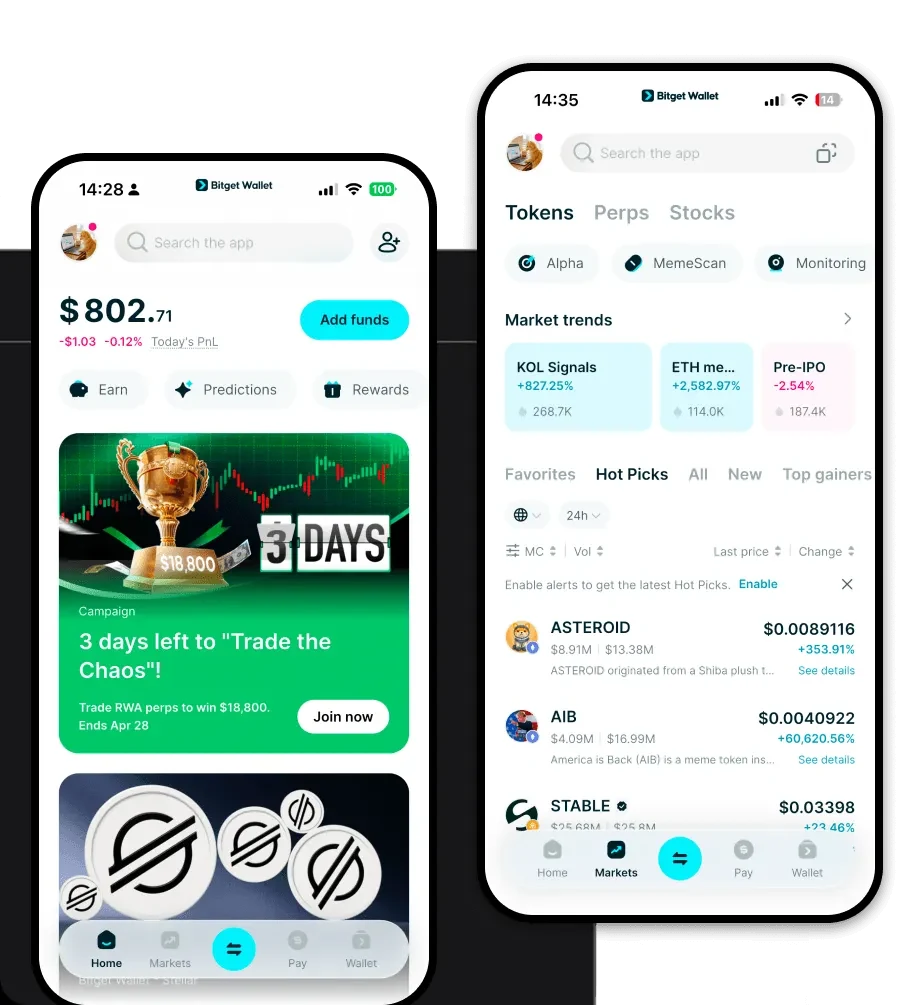
To start your journey with Dime, you need a robust, user-friendly interface. You can download Bitget Wallet to experience a seamless, non-custodial solution that puts you in full control of your private keys. Whether you are an iOS user, an Android enthusiast, or someone who prefers managing assets via a desktop browser extension, Bitget Wallet offers a unified experience. Its architecture is built for multi-chain flexibility, ensuring that while you focus on your Dime holdings, you have the underlying infrastructure to interact with over 130 other public chains simultaneously.
Why Choose Bitget Dime Wallet?
Choosing the right wallet for an EVM-based meme token like Dime is critical for performance and security. Here is why Bitget Wallet stands out:
- EVM Compatibility: Designed specifically for the Ethereum ecosystem, Bitget Wallet ensures instant compatibility with all Dime-related smart contracts and decentralized exchanges.
- Advanced DeFi Aggregation: Experience high liquidity by accessing hundreds of aggregated DEXs and cross-chain bridges directly within the interface, allowing for optimal trade execution.
- Meme-Friendly UI: The interface is optimized for rapid market shifts, letting you track price movements and community-driven trends with minimal latency.
- Institutional-Grade Protection: With a $300 million user protection fund, your Dime assets are shielded against unforeseen platform risks, providing peace of mind for both new and experienced investors.
How to Create a Dime Wallet
Setting up your wallet to hold Dime is a straightforward process designed to keep your assets secure:
- Install the App: Download Bitget Wallet from the official website or your preferred app store.
- Create a New Wallet: Select 'Create Wallet' and ensure you back up your mnemonic phrase in a secure, offline location.
- Configure Network: Since Dime is an EVM token, ensure your wallet is set to the correct Ethereum or related EVM network.
- Import or Receive: Use your wallet address to transfer your Dime tokens from an exchange or another wallet.
- Enable Assets: Use the 'Add Token' feature by pasting the official Dime contract address to ensure your balance is visible.
What Can You Do With a Dime Wallet?
Holding Dime in a self-custodial wallet like Bitget unlocks various opportunities within the Web3 space:
- Trading: Execute swaps on decentralized exchanges instantly, taking advantage of the high liquidity features inherent to the Dime ecosystem.
- Holding: Securely store your Dime tokens long-term with non-custodial ownership, ensuring that only you hold the keys to your assets.
- Speculative Investment: Actively monitor market volatility and execute buy or sell orders during high-momentum phases characteristic of community-driven meme tokens.
- Cross-Platform Transfers: Easily move your Dime tokens across different EVM-compatible chains or to cold storage solutions without friction.
How Dime Wallets Are Different from Other Crypto Wallets
When dealing with an EVM-based token like Dime, the wallet's architecture matters. Unlike wallets designed for the UTXO model (like Bitcoin), which rely on unspent transaction outputs, Bitget Wallet utilizes an account-based model. This is essential for Dime because it allows for complex smart contract interactions, such as yield farming or liquidity staking, which are impossible on non-EVM chains. Furthermore, Bitget Wallet optimizes gas fee management, allowing users to adjust transaction speeds dynamically—a critical feature for meme traders who need to beat network congestion to secure a favorable entry price.
