




1. What is an etxml Wallet?
An etxml wallet is a digital interface designed to help you interact with the etxml asset and its underlying ecosystem. As a digital asset supported by Bitget Wallet, a secure and reliable platform trusted by 40 million users to explore the Web3 ecosystem, etxml functions seamlessly within the Ethereum Virtual Machine (EVM) architecture. Because etxml operates on an EVM-compatible chain, it requires a wallet that can interpret smart contracts, manage token approvals, and interact with decentralized protocols effectively. Choosing the right wallet is essential for maintaining full custody over your assets while navigating the complexities of the Web3 landscape.
2. Download Bitget etxml Wallet
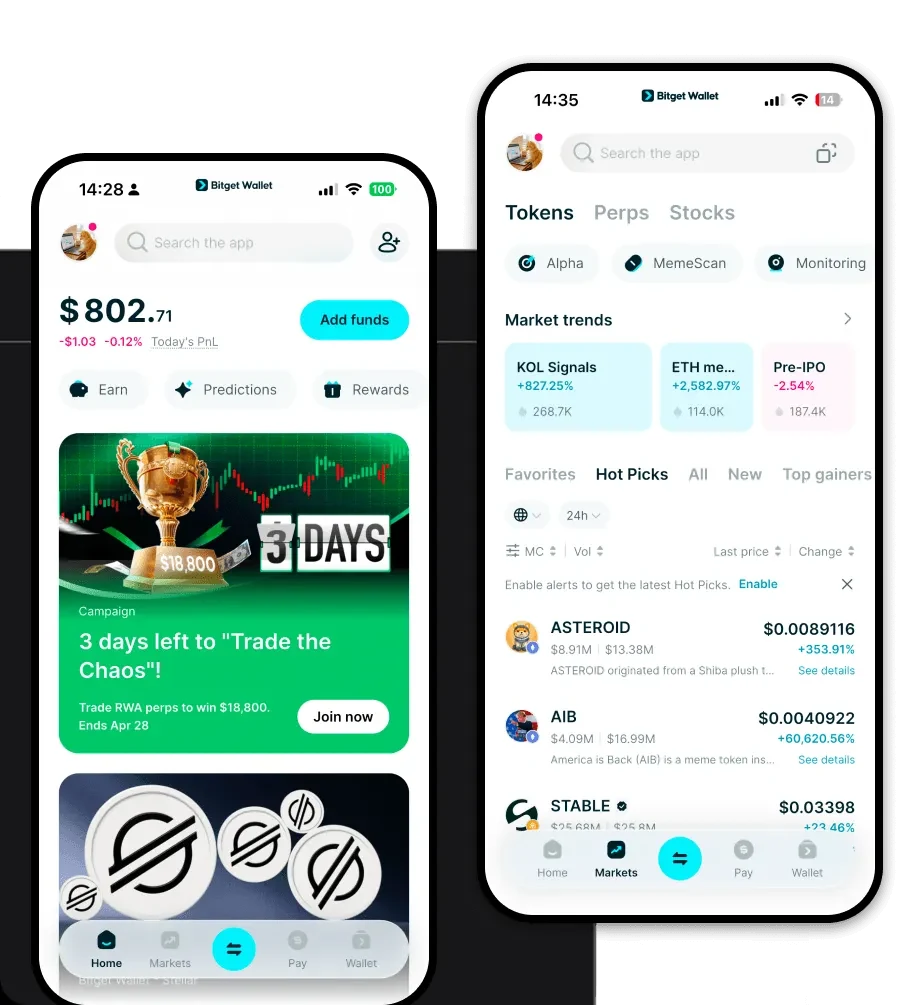
Getting started with your etxml journey requires a reliable entry point. To ensure you have full control over your private keys, you should download Bitget Wallet. This platform is designed to be a comprehensive gateway for all your digital assets, offering a seamless experience whether you are a newcomer or a seasoned DeFi user. Bitget Wallet provides robust multi-chain support, allowing you to manage not just your etxml tokens, but a vast array of assets across 130+ blockchains. Whether you prefer the mobility of an iOS or Android app, or the convenience of a browser extension for desktop interaction, the wallet ensures your private keys remain exclusively in your custody, adhering to the highest standards of self-custody security.
3. Why Choose Bitget etxml Wallet?
When dealing with EVM-based assets, the infrastructure of your wallet matters significantly. Bitget Wallet stands out as a premier choice for etxml holders for several specific reasons:
- Seamless EVM Compatibility: Designed specifically for the EVM architecture, the wallet allows you to interact with decentralized applications (dApps) and smart contracts without compatibility friction.
- Advanced Cross-Chain Interoperability: Effortlessly bridge your assets across different networks, ensuring that your etxml is never siloed and can move wherever the liquidity is.
- High Liquidity Support: By aggregating hundreds of decentralized exchanges (DEXs), the wallet ensures you get optimal pricing and minimal slippage when trading your etxml.
- Institutional-Grade Asset Management: With a $300 million user protection fund, the wallet provides a secure environment for holding assets, combining convenience with heavy-duty security protocols.
4. How to Create an etxml Wallet
Setting up your wallet to support etxml is a straightforward process that prioritizes your security from the very first click:
- Download and Install: Visit the official website to download the Bitget Wallet app or browser extension on your preferred device.
- Create a New Wallet: Open the application and select 'Create a New Wallet.' You will be prompted to set a strong password for local access.
- Back Up Your Seed Phrase: The app will generate a 12-word recovery phrase. Write this down offline and store it securely; this phrase is the only way to recover your wallet if you lose your device.
- Verify Your Phrase: Confirm the recovery phrase in the app to ensure you have recorded it correctly.
- Add etxml: Navigate to the asset management section, select 'Add Token,' and ensure the EVM network is selected to start viewing and managing your etxml balance.
5. What Can You Do With an etxml Wallet?
With your etxml wallet properly configured, you unlock a variety of Web3 capabilities. Here is how you can utilize your assets effectively:
- Trading on Decentralized Exchanges: Use the built-in DEX aggregator to swap your etxml for other tokens instantly, benefiting from deep liquidity pools without leaving your wallet.
- Storing in Non-Custodial Wallets: Maintain absolute ownership of your funds, ensuring that no third-party entity can freeze or access your etxml holdings.
- Portfolio Diversification: Easily distribute your holdings across various EVM-based protocols and asset classes to balance your risk profile effectively.
- Cross-Chain Asset Transfers: Utilize built-in bridging features to move your etxml or related assets between different EVM chains, ensuring your capital is always positioned where it is most useful.
6. How etxml Wallets Are Different from Other Crypto Wallets
Understanding the distinction between wallet types is crucial for EVM asset management. Unlike wallets designed for UTXO-based chains (like Bitcoin), an etxml wallet is built on the account-based model. This means your wallet manages states—specifically token balances and smart contract interactions—rather than tracking individual transaction outputs. Furthermore, while some chains require complex resource management (like CPU/NET/RAM), the Bitget etxml wallet simplifies these interactions by optimizing gas fee estimations, ensuring you don't overpay for transactions. This focus on the EVM ecosystem allows for a much faster, more intuitive user experience compared to legacy wallets, as it prioritizes dApp connectivity and immediate asset recognition over the slower, ledger-focused architecture of non-EVM chains.
