



What is a flag Wallet?
A flag wallet is a digital interface designed to securely hold, manage, and interact with flag, an independent experimental token triggered by the community. Because flag operates on the Ethereum Virtual Machine (EVM) blockchain, it utilizes the standard account-based model prevalent in the Ethereum ecosystem, making it highly compatible with established decentralized finance infrastructure. According to the project's background, flag is an independent experimental token triggered by the community, with limited founding information. The team mostly consists of anonymous or distributed contributors; the core focus is on on-chain signals and decentralized governance experiments, aiming to provide governance and expression tools for developers and communities, promoting an open ecosystem.
Download Bitget flag Wallet
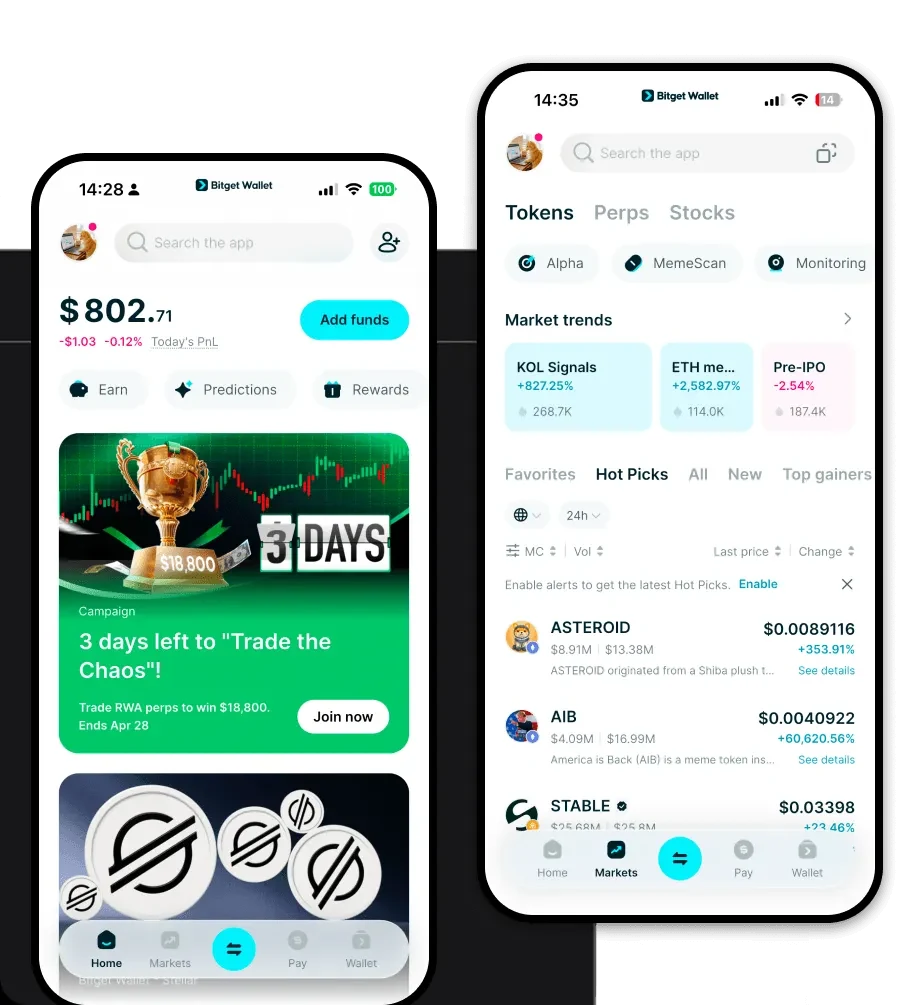
To start managing your assets, you need a robust gateway to the blockchain. We recommend that you download Bitget Wallet to experience a seamless interface that prioritizes user sovereignty. Bitget Wallet provides comprehensive multi-chain support, allowing you to manage not just your flag tokens, but a vast array of other assets across diverse networks simultaneously. As a non-custodial solution, it ensures that you maintain full control over your private keys, meaning your assets remain under your sole custody at all times. Whether you are using a desktop browser, an iOS device, or an Android smartphone, the application is optimized for high-performance interaction with the EVM ecosystem.
Why Choose Bitget flag Wallet?
Choosing the right tool is critical when dealing with meme-centric assets on the EVM chain. Bitget Wallet stands out for several technical and functional reasons:
- EVM Compatibility: As a native EVM-compatible wallet, it seamlessly integrates with Decentralized Exchanges (DEXs) and liquidity protocols, ensuring you can trade flag with minimal friction and optimal slippage.
- Advanced Security Protocols: With a dedicated 300 million USD user protection fund, the wallet provides a layer of institutional-grade security for your experimental assets.
- DApp Browser Integration: Access decentralized governance platforms and voting portals directly within the app, which is essential for engaging with the community-driven development of flag.
- Aggregated Liquidity: The wallet aggregates hundreds of DEXs and cross-chain bridges, ensuring that when you trade flag, you are getting the best available price across the entire on-chain ecosystem.
- Smart Gas Management: Benefit from intelligent gas estimation tools that help you navigate the fluctuating costs of the Ethereum network, ensuring your transactions are processed efficiently.
How to Create a flag Wallet
Setting up your wallet is a straightforward process designed to prioritize your security while remaining accessible to newcomers.
- Install the App: Download the official Bitget Wallet app from the official website or your device's app store.
- Create a New Wallet: Open the app and select 'Create Wallet.' You will be prompted to set a strong, unique password for the application.
- Back Up Your Mnemonic Phrase: The app will generate a 12-word seed phrase. Write this down on paper and store it in a secure, offline location. Never share this with anyone, as it is the only way to recover your assets.
- Verify Your Backup: Enter the words in the correct order as requested to confirm that you have saved them correctly.
- Add flag Token: Once your wallet is set up, use the search function to locate the flag token contract address on the EVM network and add it to your visible asset list.
What Can You Do With a flag Wallet?
Holding flag is more than just a speculative activity; it is an entry point into a specific community ecosystem. With your Bitget Wallet, you can engage in the following:
- Governance Voting: Participate directly in decentralized governance by using your wallet to sign transactions that cast your vote on community proposals.
- Speculative Trading: Leverage the integrated DEX aggregator to execute speculative trading strategies, capitalizing on the volatility often associated with meme tokens.
- Community Participation: Use your wallet address as a digital identity to connect with decentralized platforms where flag holders collaborate on community-driven development.
- On-chain Expression: Utilize the wallet to send on-chain signals or interact with smart contracts that facilitate on-chain expression, allowing you to contribute to the experimental nature of the project.
How flag Wallets Are Different from Other Crypto Wallets
Managing flag on an EVM-based wallet like Bitget Wallet differs significantly from managing assets on other chains. Unlike Bitcoin, which uses a UTXO (Unspent Transaction Output) model that focuses on input and output management, the EVM model uses an account-based structure. This means your wallet functions more like a bank account, where your balance is a state stored on the blockchain. Furthermore, while chains like Solana might focus on high-speed transaction throughput and low-cost resource models, EVM wallets must manage 'Gas'—the fee paid to validators to execute code. Bitget Wallet optimizes this experience by providing clear insights into gas costs, ensuring you can execute your transactions even during periods of high network congestion.
