





1. What is an FTAX Wallet?
An FTAX wallet is a specialized digital interface designed to interact with the FTAX token, a digital asset operating within the Ethereum Virtual Machine (EVM) ecosystem. Because FTAX is built on EVM-compatible infrastructure, it requires a wallet that can interpret smart contracts, manage gas fees, and interact seamlessly with decentralized applications (DApps). Essentially, your wallet acts as a gateway to your blockchain identity, allowing you to sign transactions and manage your holdings without relying on a centralized intermediary.
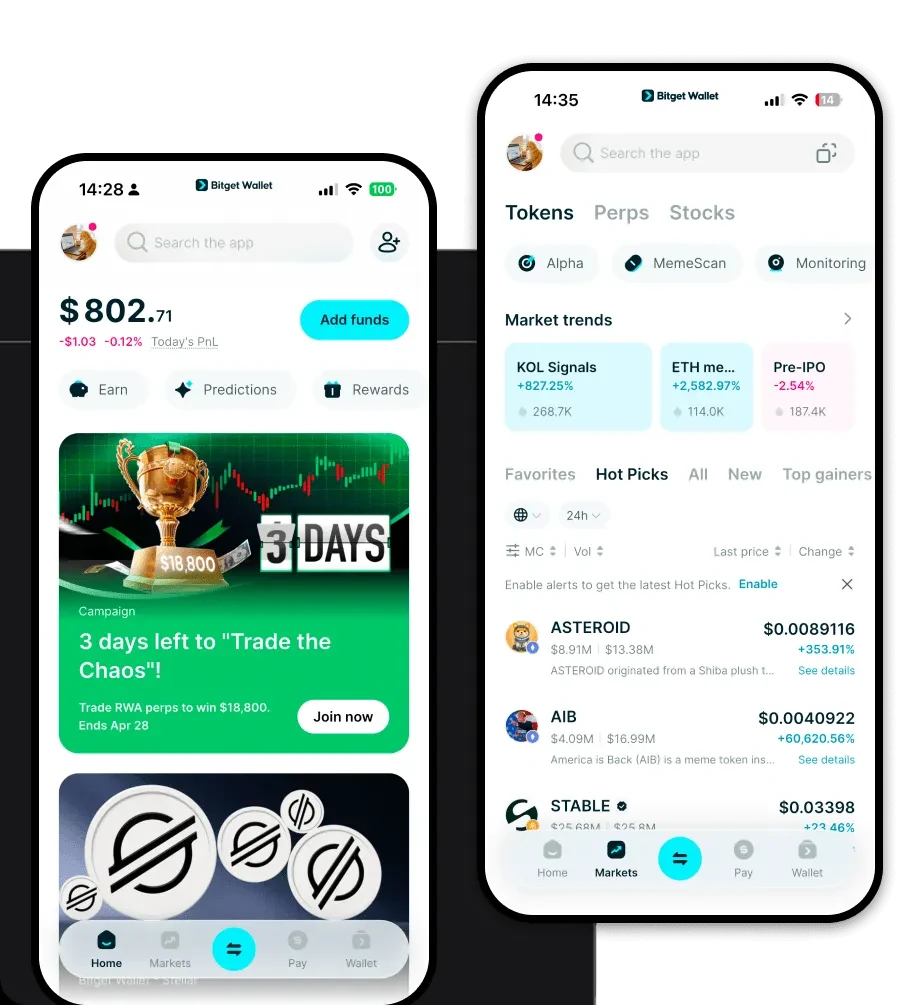
FTAX is a digital asset that can be securely stored, managed, and traded using the Bitget Wallet, which is trusted by 40 million users for exploring Web3 ecosystems. By leveraging the EVM architecture, FTAX benefits from the vast liquidity and developer support intrinsic to Ethereum-based networks. Whether you are holding FTAX for long-term investment or actively participating in DeFi protocols, having a robust, EVM-compatible wallet is the first step toward full self-custody.
2. Download Bitget FTAX Wallet
To begin managing your assets, you need a reliable, user-friendly interface. Many users prefer a solution that bridges the gap between complex blockchain mechanics and intuitive design. The Bitget Wallet offers a comprehensive solution for those looking to manage their tokens across multiple platforms. It is designed for both beginners and advanced users, ensuring that your private keys remain exclusively under your control—a fundamental aspect of true self-custody.
You can download Bitget Wallet across various devices to ensure your FTAX is always accessible. Whether you prefer the mobility of an iOS or Android app, or the deep integration of a browser extension, the wallet provides a consistent experience. It supports over 130 public chains, meaning that as you expand your portfolio beyond FTAX, you will not need to juggle multiple applications. The installation process is streamlined to get you connected to the Web3 ecosystem in minutes, with built-in security features that protect your assets from the moment of setup.
3. Why Choose Bitget FTAX Wallet?
Selecting the right wallet for your FTAX tokens is critical, especially when navigating the volatile DeFi landscape. Bitget Wallet stands out for several key reasons tailored to the EVM and DeFi environment:
- Seamless EVM Compatibility: Bitget Wallet is architected for the EVM, ensuring that you can interact with any FTAX-related smart contract or DApp without compatibility issues or manual network configurations.
- High Liquidity Aggregation: The wallet aggregates hundreds of decentralized exchanges (DEXs) and cross-chain bridges, ensuring that when you trade FTAX, you are consistently getting the best possible price and execution depth.
- Decentralized Trading Efficiency: By facilitating direct, on-chain trading, the wallet removes the need for centralized intermediaries, giving you full control over your execution speed and slippage tolerance.
- Cross-Platform Accessibility: Your wallet acts as a unified hub, allowing you to track your FTAX holdings across mobile and desktop devices with synchronized data and secure backup options.
- Robust Security Architecture: With a $300 million user protection fund, Bitget Wallet provides an extra layer of security, safeguarding your assets against potential vulnerabilities while you explore the DeFi space.
4. How to Create an FTAX Wallet
Creating your wallet is a straightforward process designed to prioritize your security. Follow these steps to set up your FTAX-ready account:
1. Download the App: Visit the official website or your app store to download Bitget Wallet. Avoid third-party sources to ensure you are installing the genuine software.
2. Create a New Wallet: Open the application and select 'Create Wallet.' You will be prompted to set a strong, unique password to protect your local device access.
3. Secure Your Mnemonic Phrase: The app will generate a 12-to-24-word recovery phrase. Write this down on physical paper and store it in a secure, offline location. Never take a screenshot or store this phrase digitally, as it is the master key to your funds.
4. Verify Your Phrase: The wallet will ask you to re-enter the words in the correct order to ensure you have backed them up properly.
5. Add FTAX: Once your wallet is active, navigate to the asset management section. If FTAX does not appear by default, use the 'Import Token' feature and paste the official FTAX contract address to enable it in your dashboard.
5. What Can You Do With an FTAX Wallet?
Once your wallet is set up, you unlock the full potential of your tokens. Here is how you can effectively utilize your FTAX:
- Trading: You can execute real-time swaps of FTAX for other tokens directly within the wallet's integrated DEX interface, taking advantage of automated market maker (AMM) pricing.
- Staking: By connecting your wallet to authorized staking platforms, you can lock your FTAX tokens to participate in network security or protocol governance, earning yield in return for your contribution.
- Providing Liquidity: You can deposit your FTAX into liquidity pools on decentralized exchanges, acting as a market maker and earning a share of the transaction fees generated by the pool.
- Portfolio Management: Use the built-in tracking tools to monitor the real-time performance of your FTAX holdings, view your transaction history, and analyze your asset allocation across different DeFi protocols.
6. How FTAX Wallets Are Different from Other Crypto Wallets
Understanding the architecture behind your wallet is essential for long-term success. Unlike non-EVM wallets, an FTAX wallet operating on an EVM chain utilizes an account-based model. In this system, your wallet acts as an account that holds a balance, and every transaction requires a 'nonce' to prevent replay attacks. This is fundamentally different from the UTXO (Unspent Transaction Output) model used by Bitcoin, where transactions are based on linking inputs to outputs.
Furthermore, because FTAX is an EVM token, your wallet must manage 'gas'—the fee paid to miners or validators to process your transactions. A specialized FTAX wallet like Bitget allows you to customize these gas fees in real-time, which is crucial during periods of network congestion. While other wallets might offer a generic experience, an EVM-focused wallet provides granular control over transaction priority and contract interaction, ensuring you aren't overpaying for gas or stuck with slow confirmation times.
