





What is a GBLI Wallet?
A GBLI wallet serves as your personal gateway to managing Global Investment Token (GBLI) assets. Because GBLI operates on the EVM (Ethereum Virtual Machine) chain, it requires a wallet that can interact with smart contracts and decentralized protocols. GBLI (Global Investment Token) is a digital asset often associated with investment platforms or utility ecosystems. Users can securely store, manage, and explore GBLI using trusted wallets like Bitget Wallet, which supports seamless Web3 integration for a growing user base.
Download Bitget GBLI Wallet
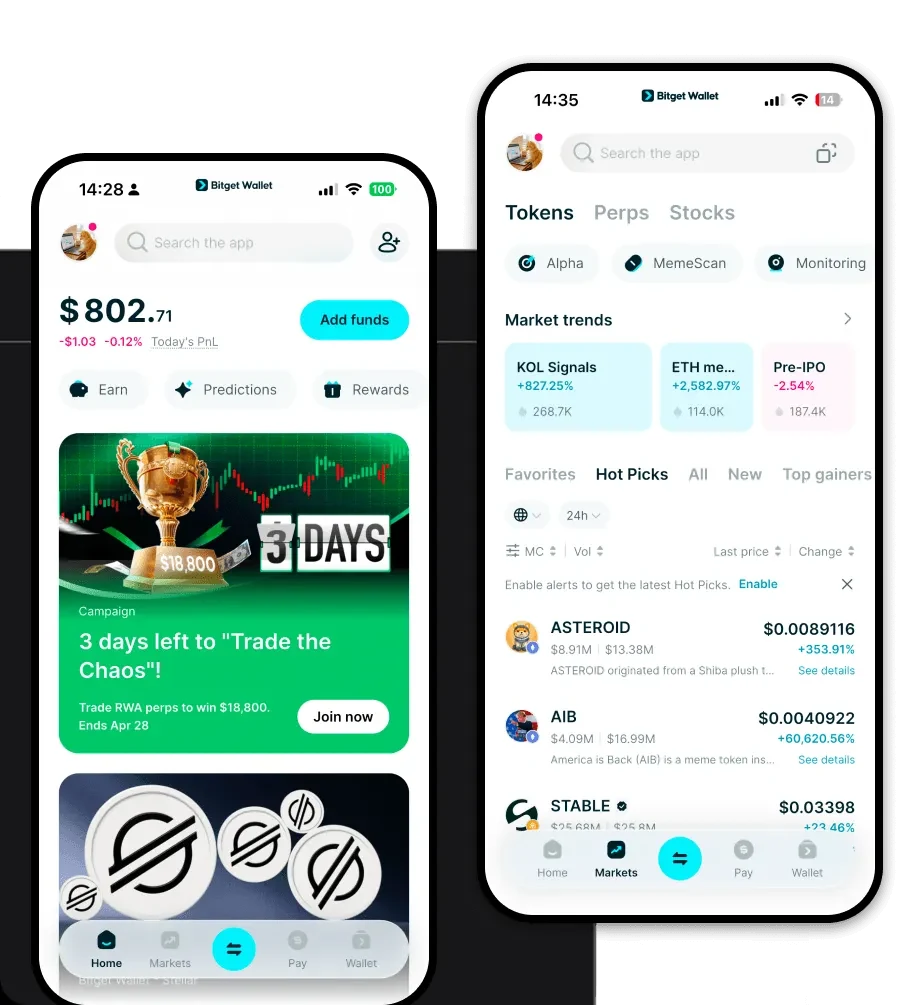
To start managing your assets, you need a robust, self-custodial solution. Bitget Wallet provides a secure environment where you retain full control over your private keys. Whether you are using a desktop browser or a mobile device, the experience is designed to be intuitive and efficient. To get started, you can download Bitget Wallet directly for iOS, Android, or as a browser extension. The wallet offers comprehensive multi-chain support, ensuring that your GBLI tokens are always accessible alongside your other digital assets.
Why Choose Bitget GBLI Wallet?
Choosing the right wallet is crucial for your DeFi journey, especially when handling EVM-compatible tokens like GBLI. Bitget Wallet stands out for several reasons:
- EVM Compatibility: Designed specifically for the Ethereum Virtual Machine, it ensures flawless interaction with your GBLI tokens and associated dApps.
- Smart Contract Integration: Execute complex on-chain operations directly through the wallet interface without needing external tools.
- Liquidity Provision: Access deep liquidity pools directly, allowing you to contribute to DeFi ecosystems with ease.
- Cross-platform Interoperability: Seamlessly switch between your mobile app and browser extension while maintaining a consistent portfolio view.
How to Create a GBLI Wallet
Creating your wallet is a straightforward process that emphasizes security and self-custody. Follow these five steps:
- Download and install the Bitget Wallet app from the official website.
- Open the app and select 'Create a New Wallet' to generate a unique set of seed phrases.
- Back up your 12 or 24-word recovery phrase in a secure, offline location; never share this with anyone.
- Verify your seed phrase by entering the words in the correct order to activate your wallet.
- Access your dashboard, click 'Add Token,' and search for GBLI to enable it, which will generate your unique GBLI wallet address for receiving funds.
What Can You Do With a GBLI Wallet?
A GBLI wallet is more than just a storage tool; it is a full-featured DeFi hub. Here is how you can utilize it:
- Trading: Execute rapid swaps of GBLI against other assets within the integrated DEX aggregator to capture market opportunities.
- Staking: Lock your GBLI tokens directly through the wallet interface to participate in network security and earn passive rewards.
- Yield Farming: Connect your wallet to various DeFi protocols to maximize your potential returns by providing liquidity to GBLI pools.
- Portfolio Management: Monitor the real-time performance of your GBLI holdings alongside your entire crypto portfolio in one unified view.
- Asset Holding: Safely store your tokens with the peace of mind provided by Bitget's dedicated user protection fund.
How GBLI Wallets Are Different from Other Crypto Wallets
When dealing with GBLI, you are interacting with the EVM ecosystem, which functions differently than other chains like Bitcoin. While Bitcoin wallets focus on the UTXO model—which tracks unspent transaction outputs—EVM wallets like the one used for GBLI rely on an account-based model. This means your wallet tracks a balance associated with your address, facilitating complex smart contract execution. Because GBLI is an EVM token, you must always maintain a small amount of the native gas token in your wallet to cover transaction fees. Unlike chains that might use different resource models, an EVM-focused wallet ensures that your GBLI interactions are optimized for the speed and flexibility inherent in smart-contract-enabled blockchains.
