





What is an HMC Wallet?
An HMC wallet is a secure digital interface designed to interact with the HMC cryptocurrency, which operates natively on the EVM (Ethereum Virtual Machine) blockchain. Because HMC is built on EVM architecture, its wallet needs to support Ethereum-based standards to facilitate seamless interaction with smart contracts and decentralized applications. HMC is a cryptocurrency asset supported by Bitget Wallet, a secure and reliable crypto wallet trusted by 40 million users for exploring the Web3 ecosystem.
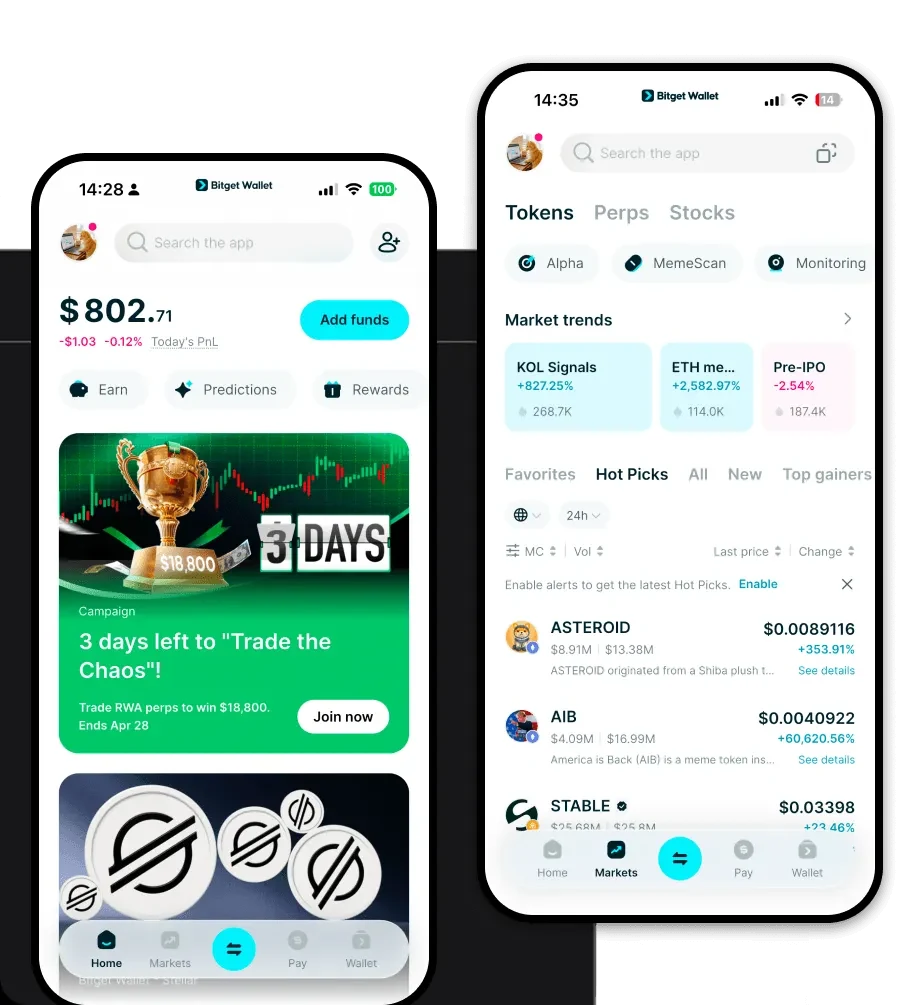
Download Bitget HMC Wallet
To begin your journey with HMC, you need a robust, self-custodial interface that puts you in complete control of your private keys. The Bitget Wallet offers a comprehensive solution that bridges the gap between complex blockchain technology and user-friendly design. Whether you are using a mobile device or a desktop browser, you can access your assets anywhere.
Bitget Wallet provides multi-chain support, allowing you to manage HMC alongside thousands of other tokens without switching apps. It is available as an iOS app, an Android app, and a browser extension for seamless desktop integration. To get started, you can download Bitget Wallet and experience a non-custodial environment where your private keys remain exclusively in your possession.
Why Choose Bitget HMC Wallet?
Choosing the right wallet for HMC is crucial, especially given its integration with the EVM ecosystem. Bitget Wallet stands out for several technical and functional reasons:
- EVM Compatibility: Designed specifically for EVM chains, Bitget Wallet ensures that HMC transactions follow standard Ethereum protocols, making it fully compatible with existing smart contracts.
- High Interoperability: The wallet seamlessly connects with hundreds of decentralized exchanges and cross-chain bridges, ensuring that HMC remains liquid and transferable across different network environments.
- Decentralized Ecosystem Support: Unlike centralized exchanges, Bitget Wallet allows users to interact directly with DeFi protocols, giving you full autonomy over your HMC yield farming and staking activities.
- Smart Contract Integration: The interface provides a clear, readable view of smart contract interactions, ensuring you understand exactly what permissions you are granting when engaging with HMC-related DeFi platforms.
How to Create an HMC Wallet
Setting up your HMC wallet is a straightforward process designed to prioritize your security while maintaining simplicity:
- Install the App: Download Bitget Wallet from the official website or your device's app store.
- Create a New Wallet: Open the app and select 'Create a New Wallet.' The system will generate a unique seed phrase for you.
- Secure Your Seed Phrase: Write down your 12-word recovery phrase and store it offline in a safe location. Never share this with anyone, as it is the only way to recover your HMC.
- Add HMC: Navigate to the token management section and search for HMC to add it to your visible asset list.
- Verify EVM Address: Your wallet will automatically generate an EVM-compatible address. You can now use this address to receive HMC tokens from exchanges or other wallets.
What Can You Do With an HMC Wallet?
Holding HMC in a self-custodial wallet like Bitget unlocks the full potential of your assets through various DeFi activities:
- Trading: You can engage in direct trading of HMC against other assets via integrated DEX aggregators, ensuring you get the best price with minimal slippage.
- Asset Storage: Benefit from a secure, non-custodial environment to store your HMC long-term, protected by Bitget's robust security infrastructure.
- Portfolio Management: Use the built-in tracking tools to monitor your HMC performance, real-time market data, and total portfolio value in a single dashboard.
- Cross-chain Transfers: Easily move your HMC across different EVM-compatible networks using built-in bridge features, allowing you to utilize your assets wherever liquidity is highest.
How HMC Wallets Are Different from Other Crypto Wallets
When dealing with an EVM-based token like HMC, the wallet's architecture matters. Unlike wallets designed for UTXO-based chains (like Bitcoin), which focus on transaction inputs and outputs, an HMC wallet is built on an account-based model. This means your wallet tracks a balance associated with an address, which is essential for interacting with the complex state machines of DeFi protocols.
Furthermore, because HMC operates on EVM, the wallet must manage gas fees efficiently. Bitget Wallet excels here by providing real-time gas estimation, helping you avoid failed transactions or paying excessive fees during network congestion. Unlike some basic wallets, Bitget offers a deeper integration with the EVM ecosystem, allowing for more precise control over transaction nonce and gas settings, which is vital for active DeFi participants.
