



What is a LockedIn Wallet?
A LockedIn wallet is a specialized digital interface designed to interact with the LockedIn token, a digital asset that users can manage, store, and trade using secure crypto wallets like Bitget Wallet, which provides access to Web3 ecosystems for millions of users. Because LockedIn operates on the EVM (Ethereum Virtual Machine) blockchain, it requires a wallet that is fully compatible with Ethereum-based standards. This means your wallet must support ERC-20 token protocols, allowing you to seamlessly connect to decentralized applications (dApps) and interact with the broader EVM ecosystem.
Download Bitget LockedIn Wallet
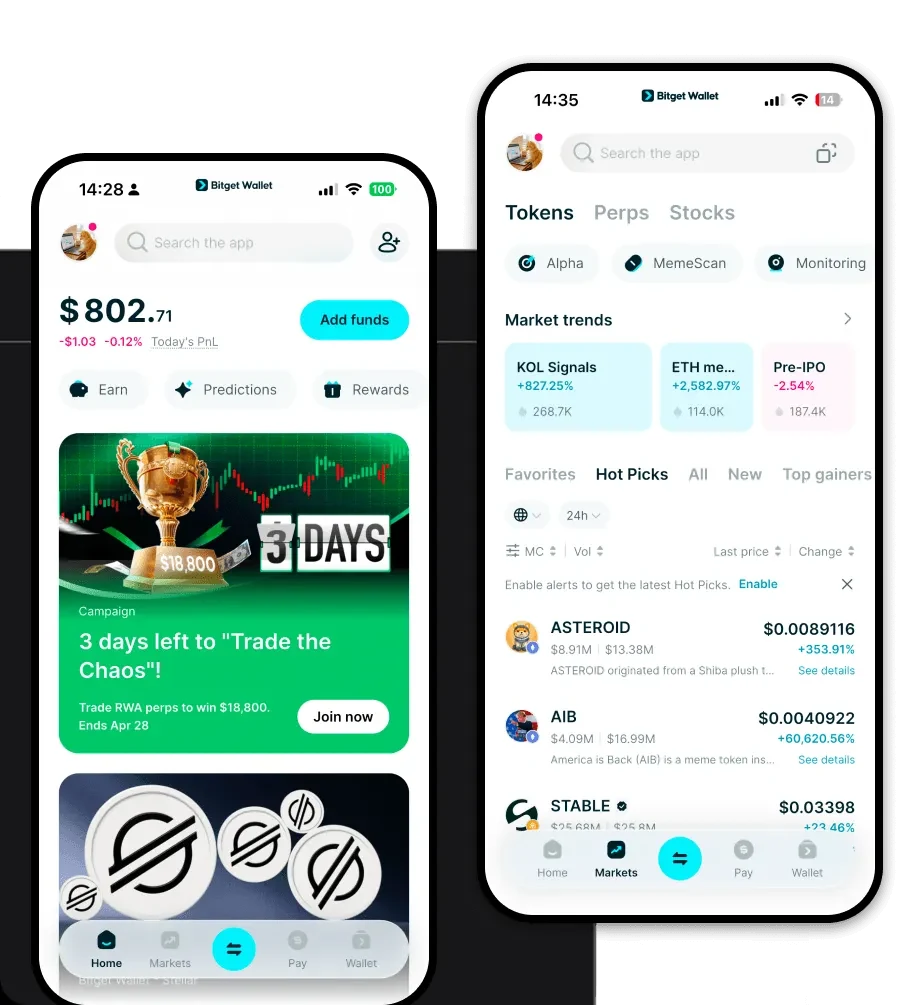
Getting started with your digital assets requires a secure and versatile gateway. To begin, you should download Bitget Wallet, which serves as an all-in-one solution for your crypto journey. Bitget Wallet stands out by offering robust multi-chain support, ensuring that even as your portfolio grows beyond LockedIn, you have a single interface to manage everything. The platform prioritizes user sovereignty through private key self-custody, meaning you maintain total control over your funds without relying on third-party intermediaries. Whether you prefer managing assets on the go via iOS or Android, or you require a browser extension for desktop-based DeFi interactions, Bitget Wallet provides a seamless experience. You can download Bitget Wallet today to start managing your LockedIn tokens with institutional-grade security.
Why Choose Bitget LockedIn Wallet?
Choosing the right wallet for a Meme category token on an EVM chain is critical for optimizing your performance. Here is why Bitget Wallet is the preferred choice for LockedIn holders:
- Seamless EVM Compatibility: Bitget Wallet is built for the EVM environment, ensuring that you can connect to any DEX or liquidity pool without technical friction.
- Advanced Meme Token Management: Given the community-driven nature of LockedIn, the wallet provides real-time market data and trending token insights, allowing you to stay ahead of the curve.
- High Liquidity Aggregation: The wallet aggregates hundreds of DEXs, meaning you always get the best swap rates when trading LockedIn, maximizing your liquidity potential.
- Proactive Security Measures: With a $300M user protection fund, Bitget Wallet provides a safety net that is essential when interacting with high-volatility, decentralized trading assets.
How to Create a LockedIn Wallet
Creating your gateway to the LockedIn ecosystem takes only a few minutes. Follow these simple steps to set up your Bitget Wallet:
1. Install the App: Download Bitget Wallet from the official website or your mobile app store and launch the application.
2. Create a New Wallet: Select the 'Create a Wallet' option. You will be prompted to set a strong, unique password for the app.
3. Backup Your Seed Phrase: This is the most critical step. Write down your 12-24 word recovery phrase and store it in an offline, secure location. Never share this with anyone.
4. Verify Your Backup: The app will ask you to re-enter the words to ensure you have recorded them correctly.
5. Add LockedIn: Once your wallet is active, use the 'Add Token' feature to search for the LockedIn contract address on the EVM network to display your balance.
What Can You Do With a LockedIn Wallet?
A LockedIn wallet is more than just a storage vault; it is a tool for active participation in the crypto economy. Here is how you can utilize your wallet:
- Trading: Use the built-in DEX aggregator to execute fast, low-slippage trades for LockedIn directly from your wallet interface.
- Holding: Securely store your LockedIn tokens in a self-custodial environment where you are the sole owner of your private keys.
- Speculation: Leverage the wallet's real-time market tracking to monitor price movements and time your entries or exits in the volatile Meme token market.
- Portfolio Diversification: Use the multi-chain capabilities to swap LockedIn for other assets, balancing your holdings across different sectors of the crypto market.
How LockedIn Wallets Are Different from Other Crypto Wallets
Not all wallets are built the same, especially when dealing with EVM-based Meme tokens. Unlike wallets designed for UTXO chains (like Bitcoin), which rely on complex transaction inputs and outputs, a LockedIn wallet utilizes an 'Account-Based' model. This model simplifies how you interact with smart contracts, making it much easier to approve token permissions and participate in decentralized governance or liquidity pools. Furthermore, while some wallets struggle with high network congestion, a high-quality wallet like Bitget allows you to customize gas fees for your EVM transactions, ensuring your trades go through even during periods of heavy network activity. This focus on EVM-specific efficiency makes a dedicated Bitget Wallet significantly more effective for trading LockedIn than a standard, one-size-fits-all storage solution.
