





1. What is a PGD Wallet?
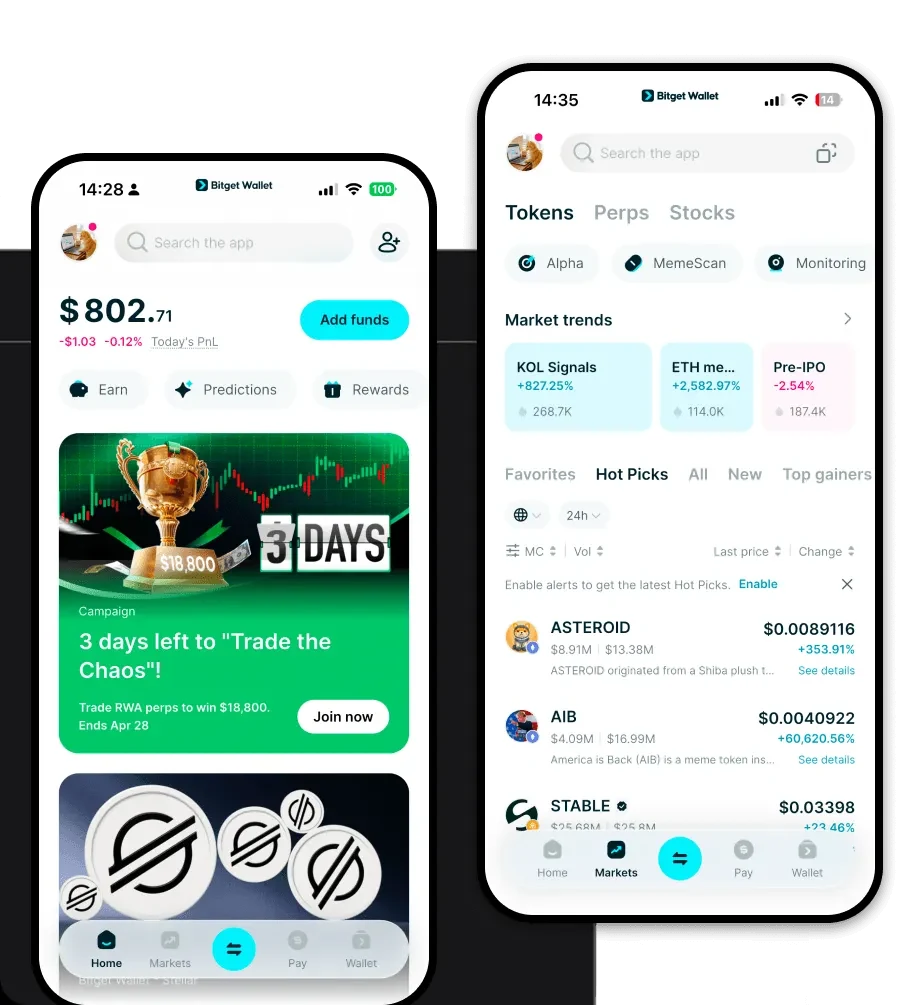
A PGD wallet is a specialized digital interface designed to interact with the blockchain network where PGD tokens reside. Since PGD operates on the EVM (Ethereum Virtual Machine) chain, it requires a wallet that supports EVM-compatible tokens to facilitate transfers, approvals, and smart contract interactions. PGD is a cryptocurrency that can be securely stored and managed using Bitget Wallet. It is supported by the Bitget Wallet ecosystem, allowing users to explore Web3 features and manage their assets reliably.
2. Download Bitget PGD Wallet
Choosing the right PGD wallet app is the first step toward securing your digital assets. Bitget Wallet offers a comprehensive solution for PGD holders, combining institutional-grade security with a user-friendly interface. Whether you are using an iOS device, an Android smartphone, or prefer the convenience of a browser extension, Bitget Wallet ensures you maintain full control over your private keys. It is a non-custodial wallet, meaning you are the sole owner of your assets, providing peace of mind against centralized failures. To get started, you can download Bitget Wallet today to experience seamless multi-chain support and instant access to your tokens.
3. Why Choose Bitget PGD Wallet?
For PGD users, selecting a wallet that aligns with the EVM ecosystem is crucial for DeFi participation. Here is why Bitget Wallet stands out for PGD management:
- Native EVM Compatibility: Bitget Wallet is built to handle the complexities of EVM-based tokens, ensuring that your PGD transactions process smoothly without compatibility errors.
- Deep Liquidity Integration: By aggregating hundreds of DEXs, the wallet allows you to find the best swap rates for PGD, reducing slippage and saving on transaction costs.
- Cross-Chain Interoperability: Easily manage PGD alongside other assets across 130+ blockchains, allowing for a unified view of your portfolio without needing multiple apps.
- Advanced Security Infrastructure: With a $300 million user protection fund, Bitget Wallet provides an extra layer of defense against potential vulnerabilities, ensuring your PGD holdings remain secure.
- Seamless DApp Access: The built-in DApp browser allows you to interact directly with DeFi protocols, liquidity pools, and yield farms without leaving the secure environment of your wallet.
4. How to Create a PGD Wallet
Setting up your wallet is a straightforward process that grants you immediate access to the PGD ecosystem:
- Install the App: Visit the official website or your app store to download Bitget Wallet and launch it on your device.
- Create a New Wallet: Select 'Create Wallet' and follow the prompts to generate your unique recovery phrase; remember to store this phrase offline and never share it with anyone.
- Set Your Password: Establish a strong, unique password to add an extra layer of local security to your wallet app.
- Verify EVM Address: Your wallet will automatically generate an EVM-compatible address, which serves as your public key to receive PGD.
- Import or Add PGD: If your PGD tokens are not visible, use the 'Add Token' feature and paste the official PGD contract address to monitor your balance.
5. What Can You Do With a PGD Wallet?
With Bitget Wallet, you can fully leverage the utility of your PGD tokens through the following activities:
- Trading on Decentralized Exchanges: Use the wallet's integrated DEX swap features to exchange PGD for other tokens instantly with minimal friction.
- Holding for Long-term Investment: Utilize the non-custodial nature of the wallet to store your PGD securely for the long term, ensuring you are the only one with access to your funds.
- Participating in Liquidity Mining: Connect your wallet to DeFi protocols to stake your PGD and provide liquidity, earning potential yield rewards directly in your wallet.
- Asset Management in Non-Custodial Wallets: Maintain full oversight of your portfolio, tracking your PGD performance and managing your assets without relying on a third-party custodian.
6. How PGD Wallets Are Different from Other Crypto Wallets
When managing PGD, it is important to understand that not all wallets are created equal. Because PGD operates on an EVM-based chain, it utilizes an 'Account Model' rather than the UTXO model found in Bitcoin wallets. This means your PGD wallet acts like a smart contract account that can store balances and interact with complex logic. Furthermore, unlike chains that might use different resource models, EVM wallets rely on 'Gas' fees to prioritize transactions. Bitget Wallet optimizes this by providing gas-efficient transaction paths, ensuring that your interactions with PGD remain cost-effective even during high network congestion. By using a wallet specifically optimized for high interoperability and DeFi, you avoid the limitations of basic, single-chain wallets.
