What is a QIM Wallet?
A QIM wallet is a specialized digital interface designed to securely store, send, and receive QIM tokens. As QIM operates on the EVM (Ethereum Virtual Machine) blockchain, it requires a wallet that is fully compatible with the Ethereum standard, ensuring that you can interact seamlessly with smart contracts and decentralized applications. By choosing a robust wallet, you ensure your QIM assets are protected while maintaining full control over your private keys.
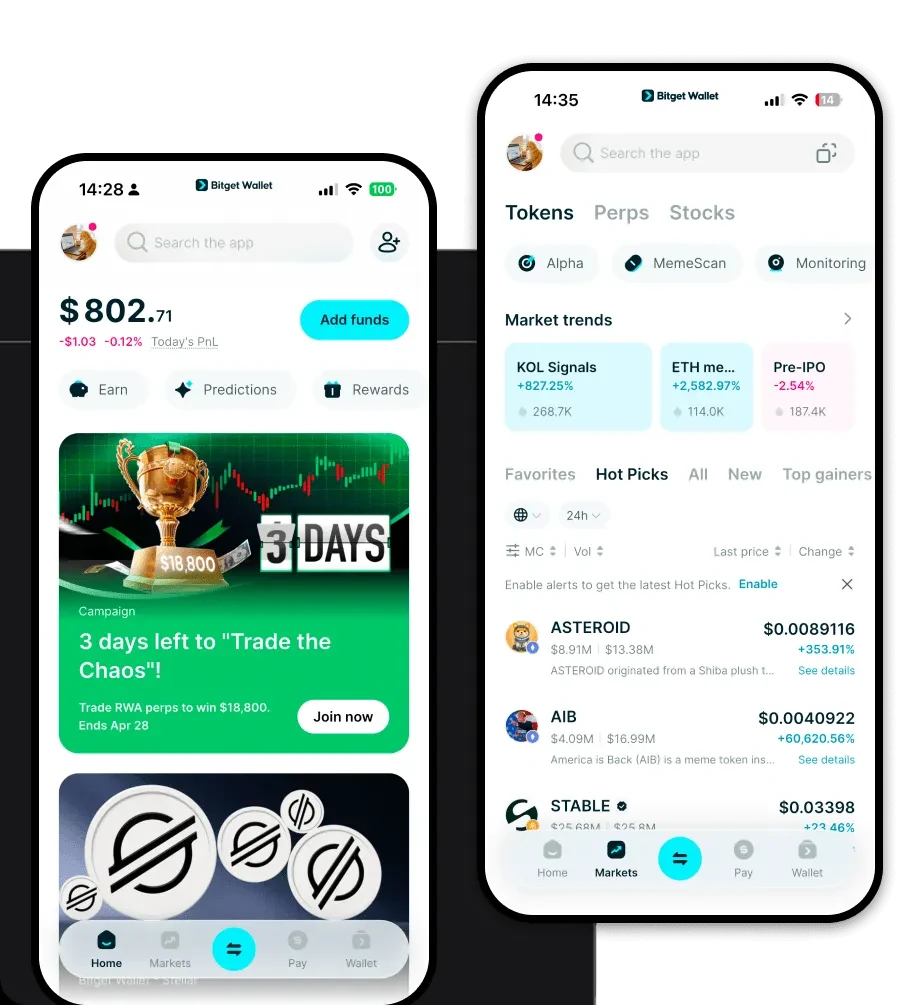
Are you looking for a reliable and secure crypto wallet for your QIM? Bitget Wallet will be your best choice. Trusted by 40 million users, you can freely explore Web3 on Bitget Wallet. Start your journey now!
Download Bitget QIM Wallet
Getting started with your digital asset journey requires a platform that combines accessibility with institutional-grade security. Bitget Wallet provides a comprehensive ecosystem that supports multi-chain assets, including your QIM tokens, while ensuring you remain the sole custodian of your private keys. Whether you are a desktop power user or prefer managing your portfolio on the move, Bitget Wallet offers a seamless experience across iOS, Android, and browser extensions.
To begin, you can download Bitget Wallet directly from the official website. The platform is designed to be intuitive for beginners while offering the deep, technical infrastructure that DeFi veterans demand. By centralizing your assets, you eliminate the need to juggle multiple applications, streamlining your interaction with the EVM ecosystem.
Why Choose Bitget QIM Wallet?
Choosing the right wallet for your QIM tokens is about more than just storage; it is about infrastructure. Because QIM is an EVM-based token, it thrives within a DeFi-heavy environment. Here is why Bitget Wallet stands out:
- Native EVM Compatibility: Bitget Wallet is built from the ground up to support the EVM standard, meaning you experience zero friction when interacting with Ethereum-based smart contracts or dApps.
- Cross-Chain Interoperability: Beyond just QIM, the wallet aggregates hundreds of cross-chain bridges, allowing you to swap your assets across different networks without needing to use risky, third-party centralized exchanges.
- High Liquidity Support: By integrating hundreds of decentralized exchanges (DEXs), Bitget Wallet ensures that when you trade QIM, you are accessing the best possible liquidity pools for optimal slippage and pricing.
- Smart Contract Integration: The wallet features a built-in DApp browser that allows you to connect directly to DeFi protocols, enabling you to participate in governance or liquidity provision without leaving the safety of your interface.
- Robust Security Architecture: With a $300 million user protection fund and advanced MPC (Multi-Party Computation) technology, Bitget Wallet minimizes the risk of single-point failures often found in traditional hot wallets.
How to Create a QIM Wallet
Setting up your QIM wallet is a straightforward process designed to prioritize your ownership and security. Follow these five steps:
- Download and Install: Visit the official Bitget Wallet website and install the application on your preferred device (iOS, Android, or Browser Extension).
- Create a New Wallet: Open the app and select the option to create a new wallet. You will be prompted to generate a unique set of seed phrases.
- Backup Your Seed Phrase: Write down your recovery phrase and store it in a physical, secure location. Never share this with anyone, as this phrase is the master key to your QIM wallet address.
- Verify Your Wallet: Input the seed phrase as requested to confirm that you have successfully backed it up.
- Add QIM to Your View: Once your wallet is active, use the search function to add QIM to your asset list. Your wallet is now ready to send, receive, and manage your tokens.
What Can You Do With a QIM Wallet?
A QIM wallet is not just for holding assets; it is a gateway to the DeFi ecosystem. Here are the primary ways you can utilize your QIM tokens:
- Token Swapping: Use the built-in DEX aggregator to perform seamless token swapping, allowing you to exchange QIM for other assets instantly at competitive market rates.
- Liquidity Provision: You can contribute your QIM to decentralized liquidity pools, helping to facilitate trades for others while earning a share of the transaction fees generated by the protocol.
- Staking: By locking your QIM into designated smart contracts, you can participate in staking, which secures the network and provides you with passive rewards over time.
- Yield Farming: Leverage your holdings by engaging in yield farming, where you deposit QIM into various DeFi protocols to maximize your returns through automated interest generation.
- Portfolio Management: Utilize the comprehensive dashboard within Bitget Wallet to track your QIM performance, view transaction history, and monitor your total net worth across all your DeFi positions.
How QIM Wallets Are Different from Other Crypto Wallets
Not all wallets are created equal, especially when dealing with EVM-based tokens like QIM. While some wallets focus on simple storage, a specialized QIM wallet must handle the complexities of the EVM ecosystem.
Unlike wallets designed for UTXO models (like Bitcoin), which focus on transaction inputs and outputs, a QIM wallet on the EVM must manage account-based balances and gas fees. Gas fees are the lifeblood of the EVM, and a superior wallet like Bitget allows you to monitor and adjust gas settings to ensure your transactions are processed quickly, even during periods of network congestion.
Furthermore, while some wallets struggle with the integration of complex smart contracts, a dedicated QIM wallet provides a user-friendly abstraction layer. This means you don't need to understand the underlying Solidity code to interact with dApps; the wallet handles the technical heavy lifting, ensuring that your experience remains smooth, whether you are swapping tokens or participating in complex yield farming strategies.