


What is a down Wallet?
A down wallet is a specialized digital interface designed to interact with the down token, which operates primarily on the EVM (Ethereum Virtual Machine) blockchain. Because down is built on an EVM-compatible framework, it requires a wallet that can interpret the complex smart contract interactions inherent in the Ethereum ecosystem. A dedicated down wallet acts as your gateway to the blockchain, allowing you to manage your private keys, view your transaction history, and interact with decentralized applications (dApps) without relying on a centralized exchange.
Are you looking for a reliable and secure crypto wallet for your down? Bitget Wallet will be your best choice. Trusted by 40 million users, you can freely explore Web3 on Bitget Wallet. Start your journey now!
Download Bitget down Wallet
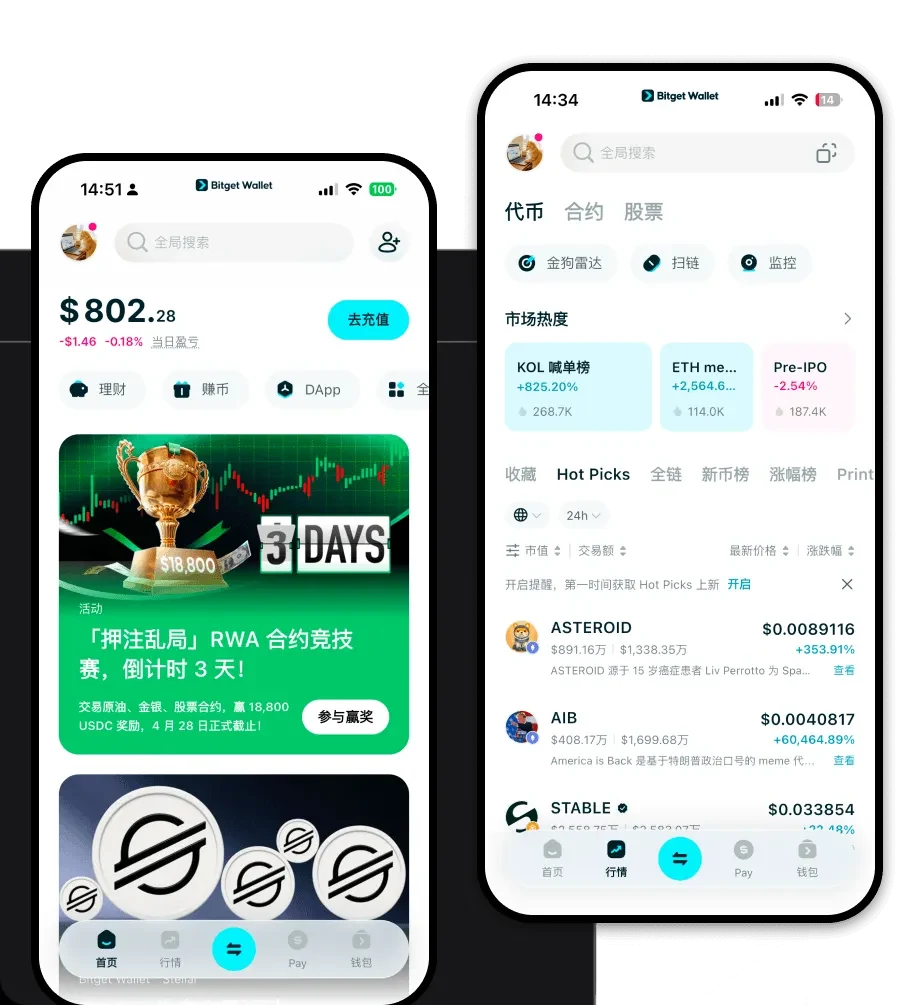
Getting started with your digital asset journey requires a robust tool that keeps pace with the rapidly evolving crypto landscape. Bitget Wallet stands out by offering a unified interface that simplifies the complexity of the EVM ecosystem. Whether you are an iOS user, an Android enthusiast, or someone who prefers managing assets via a browser extension on your desktop, Bitget Wallet provides a seamless experience across all devices.
The platform is designed with a non-custodial architecture, meaning you retain full ownership and control over your private keys at all times—a critical feature for any serious investor. Furthermore, its extensive multi-chain support ensures that your down assets are not isolated; they coexist within a broader ecosystem of over 130+ mainstream public chains. To get started, you can download Bitget Wallet today to experience secure, high-speed asset management tailored for the modern Web3 user.
Why Choose Bitget down Wallet?
Selecting the right wallet is a foundational decision for your crypto journey, especially when dealing with EVM-compatible tokens like down. Bitget Wallet offers distinct advantages tailored to the needs of the infrastructure and DeFi sectors:
- Seamless EVM Compatibility: Bitget Wallet is architected to be natively compatible with the EVM, ensuring that you can interact with decentralized finance protocols and smart contracts without configuration errors or compatibility hurdles.
- Advanced Decentralized Exchange Integration: By aggregating hundreds of DEXs and cross-chain bridges, the wallet ensures you always get the best liquidity and competitive pricing when swapping your down tokens, minimizing slippage and maximizing efficiency.
- Non-Custodial Security Framework: Unlike centralized platforms, Bitget Wallet adheres to strict non-custodial principles. Your private keys never leave your device, and the platform is further bolstered by a $300 million user protection fund to mitigate risks.
- Optimized Infrastructure for Gas Management: Interacting with the EVM often involves navigating gas fees. Bitget Wallet provides real-time gas fee tracking and optimization, allowing you to execute transactions at the most cost-effective times.
- Integrated NFT Asset Management: Beyond tokens, the wallet offers a robust dashboard for viewing, managing, and transferring your NFT assets, making it a comprehensive hub for your digital portfolio.
How to Create a down Wallet
Creating your wallet is a straightforward process that emphasizes security from the first step:
1. Download and Install: Visit the official website to download Bitget Wallet for your specific operating system (iOS, Android, or browser extension).
2. Create a New Wallet: Upon launching the app, select the option to 'Create a New Wallet.' The system will generate a unique address on the EVM network, which will serve as your digital identity.
3. Secure Your Mnemonic Phrase: You will be presented with a seed phrase (recovery phrase). Write this down on physical paper and store it in a safe, offline location. Never share this with anyone, as it is the master key to your funds.
4. Verify Your Backup: The app will prompt you to re-enter the phrase to ensure you have recorded it correctly. This step is mandatory to confirm that you can recover your wallet if your device is lost or damaged.
5. Activate Your down Address: Once the setup is complete, you can import your down tokens or receive them by sharing your public wallet address found in the main dashboard.
What Can You Do With a down Wallet?
Your down wallet is more than just a storage container; it is an active tool for engaging with the Web3 economy. Here are the primary utilities:
- Asset Storage: Securely hold your down tokens in a non-custodial environment where you have exclusive access to your private keys at all times.
- Token Swapping: Utilize the built-in DEX aggregator to exchange your down tokens for other assets directly within the interface, benefiting from deep liquidity pools.
- dApp Interaction: Connect your wallet to various decentralized applications, such as lending protocols or yield farms, to put your down assets to work within the broader DeFi ecosystem.
- NFT Portfolio Management: Manage your digital collectibles by viewing, organizing, and transferring your NFTs directly within the wallet's dedicated gallery interface.
- Cross-Chain Bridging: Move your assets efficiently between different blockchain networks using the integrated cross-chain bridge technology, allowing you to utilize your tokens where they are most needed.
How down Wallets Are Different from Other Crypto Wallets
The distinction between a standard wallet and a specialized EVM-compatible wallet like Bitget Wallet lies in the underlying architecture. While Bitcoin wallets utilize a UTXO (Unspent Transaction Output) model, which focuses on tracking individual inputs and outputs for security, EVM-based wallets like those for down utilize an account-based model. This model tracks balance and state changes, which is essential for the complex smart contract interactions required by DeFi and infrastructure tokens.
Furthermore, EVM wallets are deeply sensitive to gas fees and network congestion. Unlike platforms that might abstract these details away, a high-quality down wallet provides granular control over transaction speeds and gas pricing, allowing users to prioritize urgency or cost. Finally, the integration of decentralized exchanges and bridge protocols turns the wallet into a comprehensive financial dashboard, whereas older, simpler wallets often require you to visit external websites, increasing the risk of phishing and security vulnerabilities.


