





¿Qué es una billetera SERSH?
Una billetera SERSH es una interfaz digital que le permite almacenar, enviar y recibir tokens SERSH, los cuales operan en la cadena de bloques EVM (Ethereum Virtual Machine). Debido a que SERSH es un activo construido sobre infraestructura compatible con EVM, necesita una billetera que pueda interactuar con contratos inteligentes y aplicaciones descentralizadas (DApps) creadas en esta arquitectura. SERSH es un proyecto descentralizado que opera dentro del ecosistema Web3, a menudo asociado con búsquedas descentralizadas o utilidades de protocolo especializadas. Los usuarios pueden gestionar e interactuar de forma segura con sus activos SERSH a través de plataformas confiables como Bitget Wallet, que sirve a más de 40 millones de usuarios. Al usar una billetera especializada, se asegura de que sus claves privadas permanezcan bajo su control exclusivo, lo que le permite interactuar directamente con la infraestructura del protocolo.
Descargar la billetera Bitget SERSH
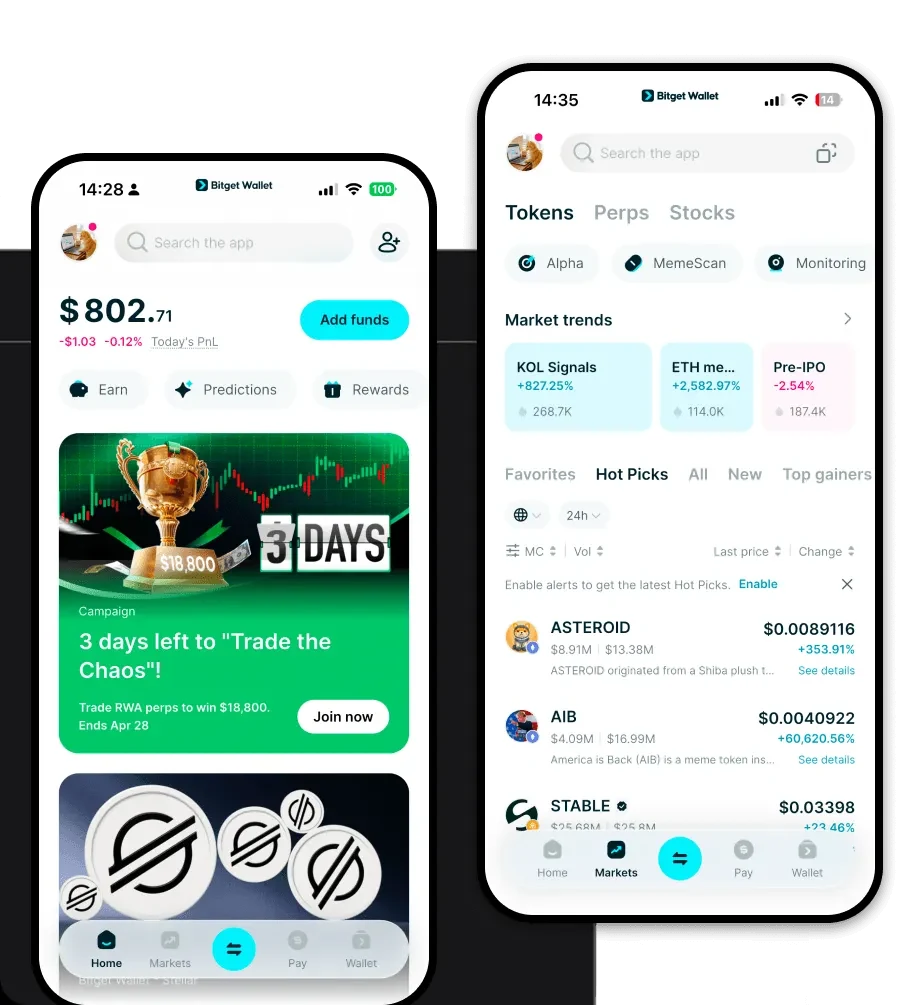
Comenzar a gestionar sus tokens es sencillo cuando elige una plataforma diseñada para el usuario moderno de Web3. Para empezar, debe descargar Bitget Wallet, que está disponible como aplicación móvil para iOS y Android, así como una extensión de navegador para usuarios de escritorio. A diferencia de los exchanges custodiados, Bitget Wallet ofrece una verdadera autocustodia, lo que significa que usted conserva la plena propiedad de sus claves privadas y frases de recuperación. La plataforma admite más de 130 cadenas públicas, lo que garantiza que, incluso si su cartera se diversifica más allá de SERSH, tendrá una interfaz unificada para gestionar todos sus activos. Ya sea principiante o un trader experimentado, el proceso de instalación es intuitivo y le permite configurar su dirección de billetera en minutos sin configuraciones complejas.
¿Por qué elegir la billetera Bitget SERSH?
Al tratar con proyectos de infraestructura basados en EVM como SERSH, su elección de billetera afecta significativamente su experiencia. Bitget Wallet está diseñada para manejar las complejidades del ecosistema EVM manteniendo una interfaz accesible para todos.
- Integración con el ecosistema EVM: Bitget Wallet ofrece soporte nativo para cadenas EVM, lo que garantiza que pueda interactuar sin problemas con contratos inteligentes y DApps de SERSH sin problemas de compatibilidad.
- Gestión avanzada de gas: La billetera cuenta con una optimización inteligente de las comisiones de gas, lo cual es crucial para las interacciones de alta frecuencia dentro de proyectos de infraestructura pesada, ayudándole a ahorrar en costos de transacción.
- Enfoque en infraestructura descentralizada: Como SERSH se centra en la búsqueda descentralizada, el navegador de DApps integrado en la billetera le permite conectarse directamente a las herramientas del ecosistema del proyecto sin salir de la aplicación.
- Seguridad integral: Con un fondo de protección al usuario de 300 millones de dólares y una sólida arquitectura sin custodia, Bitget Wallet proporciona un entorno de alta seguridad para mantener sus tokens de utilidad.
- Interoperabilidad multiplataforma: Ya sea que esté en un dispositivo móvil o de escritorio, sus activos están sincronizados y accesibles, lo que le permite gestionar sus tenencias de SERSH multiplataforma sin esfuerzo.
Cómo crear una billetera SERSH
Configurar su billetera SERSH es un proceso sencillo que prioriza su seguridad. Siga estos cinco pasos para crear su cuenta:
1. Descargar e instalar: Visite el sitio web oficial de Bitget Wallet y descargue la aplicación para su dispositivo específico (iOS, Android o extensión de navegador).
2. Crear una nueva billetera: Abra la aplicación y seleccione 'Crear una billetera'. El sistema generará una frase mnemotécnica (frase de recuperación) única para usted.
3. Proteja su frase de recuperación: Anote su frase de recuperación de 12 o 24 palabras en un papel y guárdela en un lugar seguro y fuera de línea. Nunca la comparta con nadie, ya que actúa como la llave maestra de sus activos SERSH.
4. Verifique su respaldo: La aplicación le pedirá que vuelva a ingresar las palabras para asegurarse de que las haya guardado correctamente.
5. Agregar el token SERSH: Una vez que su billetera esté configurada, vaya a la sección de gestión de activos, busque SERSH y agréguelo a su lista visible para ver su saldo y su nueva dirección de billetera.
¿Qué puede hacer con una billetera SERSH?
Mantener SERSH en una billetera sin custodia abre una variedad de utilidades dentro del espacio de infraestructura Web3. Con Bitget Wallet, puede maximizar el potencial de sus tokens a través de las siguientes actividades:
- Trading en intercambios descentralizados: Puede conectar su billetera a varios DEX para intercambiar SERSH por otros activos directamente desde su navegador sin necesidad de un intermediario centralizado.
- Asegurar activos en billeteras sin custodia: Al mantener su SERSH en una billetera de autocustodia, usted garantiza ser el único controlador de sus fondos, mitigando los riesgos asociados con las fallas de los exchanges centralizados.
- Participar en la gobernanza del ecosistema: Puede usar su billetera para interactuar con los portales de gobernanza de SERSH, donde mantener el token le permite votar sobre actualizaciones del protocolo e iniciativas de desarrollo impulsadas por la comunidad.
- Proporcionar liquidez en pools descentralizados: Puede depositar su SERSH en pools de liquidez en plataformas DeFi, ayudando a mantener la infraestructura de búsqueda descentralizada del protocolo mientras obtiene rendimientos potencialmente.
¿En qué se diferencian las billeteras SERSH de otras billeteras cripto?
Comprender la arquitectura de su billetera es esencial para gestionar SERSH de manera efectiva. A diferencia de las cadenas basadas en UTXO (como Bitcoin), que dependen de salidas de transacciones no gastadas, SERSH opera en la EVM, que utiliza un modelo basado en cuentas. Esto significa que su billetera funciona más como una cuenta bancaria, donde su saldo se rastrea explícitamente como un cambio de estado. Una billetera SERSH de alta calidad debe estar optimizada para este modelo de cuenta EVM, proporcionando historiales de transacciones claros y una estimación eficiente del gas. Además, debido a que SERSH es un proyecto centrado en la infraestructura, su billetera actúa como una puerta de enlace a protocolos especializados. Si bien una billetera estándar podría solo almacenar valor, una Bitget Wallet dedicada permite la interacción con contratos inteligentes complejos, lo que permite una interoperabilidad multiplataforma fluida que las soluciones de almacenamiento simples no pueden ofrecer.
