





What is an ACCORD Wallet?
An ACCORD wallet is a specialized digital interface designed to interact with the blockchain network where the ACCORD token resides. Because ACCORD operates within the EVM (Ethereum Virtual Machine) ecosystem, it requires a wallet that is fully compatible with EVM standards. This ensures that your tokens are not only stored securely but can also interact seamlessly with decentralized applications (dApps), smart contracts, and various DeFi protocols.
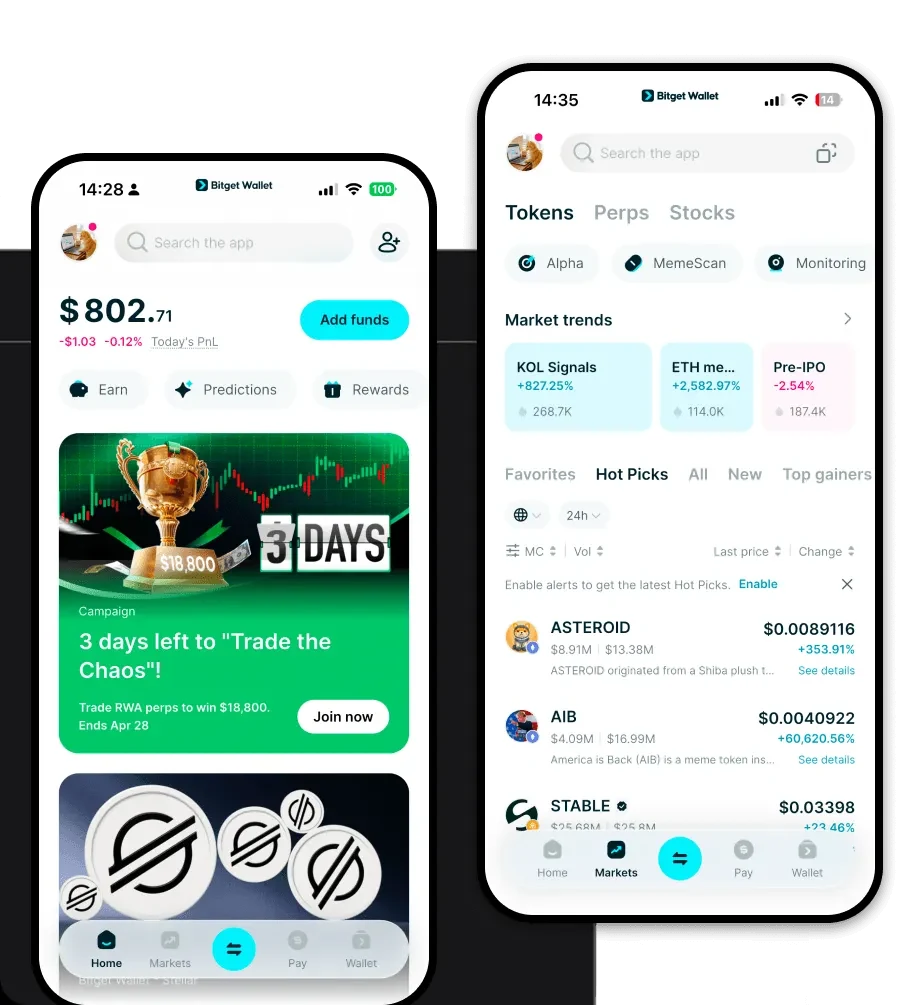
ACCORD is a digital asset that can be securely stored and managed using Bitget Wallet. It is designed to be accessible within the Web3 ecosystem, allowing users to explore decentralized financial activities with a trusted platform. Whether you are a beginner looking to hold your first tokens or an experienced DeFi participant, having a wallet that supports the EVM architecture is essential for maintaining control over your private keys and managing your portfolio across the decentralized web.
Download Bitget ACCORD Wallet
Finding the right tool to manage your digital assets is the first step toward successful participation in the Web3 space. The Bitget ACCORD wallet app provides an intuitive, robust gateway to your tokens, ensuring that you maintain complete self-custody over your private keys. Unlike centralized exchanges, a non-custodial wallet like Bitget gives you full ownership, meaning you are the sole controller of your assets.
Bitget Wallet offers comprehensive support for over 130 mainstream blockchains and millions of tokens, making it a versatile choice for any portfolio. Whether you are using an iOS device, an Android smartphone, or a desktop browser extension, the experience is optimized for speed and security. To get started, you can download Bitget Wallet and begin your journey into the EVM ecosystem with confidence.
Why Choose Bitget ACCORD Wallet?
Selecting the best wallet for ACCORD requires looking at infrastructure, security, and ecosystem compatibility. Bitget Wallet stands out for users operating within the EVM environment for several key reasons:
- EVM Compatibility: Designed specifically for the Ethereum Virtual Machine, this wallet ensures that your ACCORD tokens interact flawlessly with smart contracts, avoiding the common compatibility issues found in less specialized wallets.
- Advanced Security Infrastructure: With a dedicated $300 million user protection fund, Bitget provides a safety net that is significantly more robust than standard industry practices, offering peace of mind for your long-term holdings.
- Seamless DeFi Integration: The wallet is built for high-frequency interaction with decentralized finance protocols, allowing you to monitor yield farming positions and governance participation directly from your dashboard.
- Gas Fee Optimization: By integrating advanced transaction estimation, the wallet helps you navigate the complexities of EVM gas fees, ensuring your transactions are processed efficiently without overpaying.
- Decentralized Interoperability: It bridges the gap between different chains and liquidity sources, ensuring that your ACCORD tokens can move across the ecosystem without friction.
How to Create an ACCORD Wallet
Setting up your wallet is a straightforward process designed to prioritize your security. Follow these five steps to get your ACCORD wallet address ready:
- Download and Install: Visit the official website to download Bitget Wallet for your preferred platform (mobile or browser extension).
- Create a New Wallet: Open the application and select the option to create a new wallet. This will generate a unique address for your assets.
- Secure Your Seed Phrase: The application will provide you with a 12 or 24-word recovery phrase. Write this down on physical paper and store it in a secure location; never share this with anyone.
- Verify Setup: Follow the on-screen prompts to confirm your recovery phrase, which ensures that your backup is correct.
- Add ACCORD Token: Once your wallet is initialized, use the 'Add Token' feature to search for the ACCORD contract address and import it so your balance appears on your home screen.
What Can You Do With an ACCORD Wallet?
An ACCORD wallet is more than just a place to hold tokens; it is a gateway to the broader DeFi economy. Here is how you can utilize your assets:
- Trading on Decentralized Exchanges: You can directly connect your wallet to major DEXs to swap ACCORD for other assets with minimal slippage and instant settlement.
- Staking for Yield Generation: By locking your tokens into approved smart contracts, you can participate in staking programs to earn passive rewards based on your holdings.
- Providing Liquidity in Pools: You can contribute your ACCORD tokens to liquidity pools, enabling others to trade while you earn a share of the transaction fees generated by the pool.
- Cross-Chain Asset Transfers: Utilizing the built-in bridge features, you can move your ACCORD or related assets across different EVM-compatible chains to take advantage of various ecosystem opportunities.
- Portfolio Management: You can use the built-in dashboard to track your total net worth, monitor historical transaction data, and analyze the performance of your DeFi investments in real-time.
How ACCORD Wallets Are Different from Other Crypto Wallets
Not all wallets are built the same. When dealing with an EVM-based token like ACCORD, the underlying architecture makes a significant difference compared to non-EVM wallets. While a UTXO-based wallet (like those used for Bitcoin) focuses on tracking unspent outputs, an EVM-based wallet like Bitget focuses on an 'account model.' This model is highly efficient for smart contract interaction, allowing for complex programmable logic that is necessary for DeFi.
Furthermore, because ACCORD exists on EVM chains, your wallet must handle gas fees—the costs paid to network validators. Bitget Wallet is specifically engineered to handle these gas-intensive environments better than standard wallets, offering real-time fee suggestions and faster transaction broadcasting. This contrasts sharply with wallets built for high-throughput or low-fee chains that may not support the sophisticated smart contract integration required for ACCORD’s specific use cases.
