





1. What is a dpin Wallet?
A dpin wallet is a specialized crypto wallet designed to interact with tokens built on the Decentralized Physical Infrastructure Network (DePIN) ecosystem. Because dpin tokens primarily operate on the EVM (Ethereum Virtual Machine) standard, the wallet acts as a gateway to interact with smart contracts, decentralized applications, and liquidity pools that power physical infrastructure networks. Using a robust wallet is crucial for managing your digital assets while interacting with real-world infrastructure protocols.
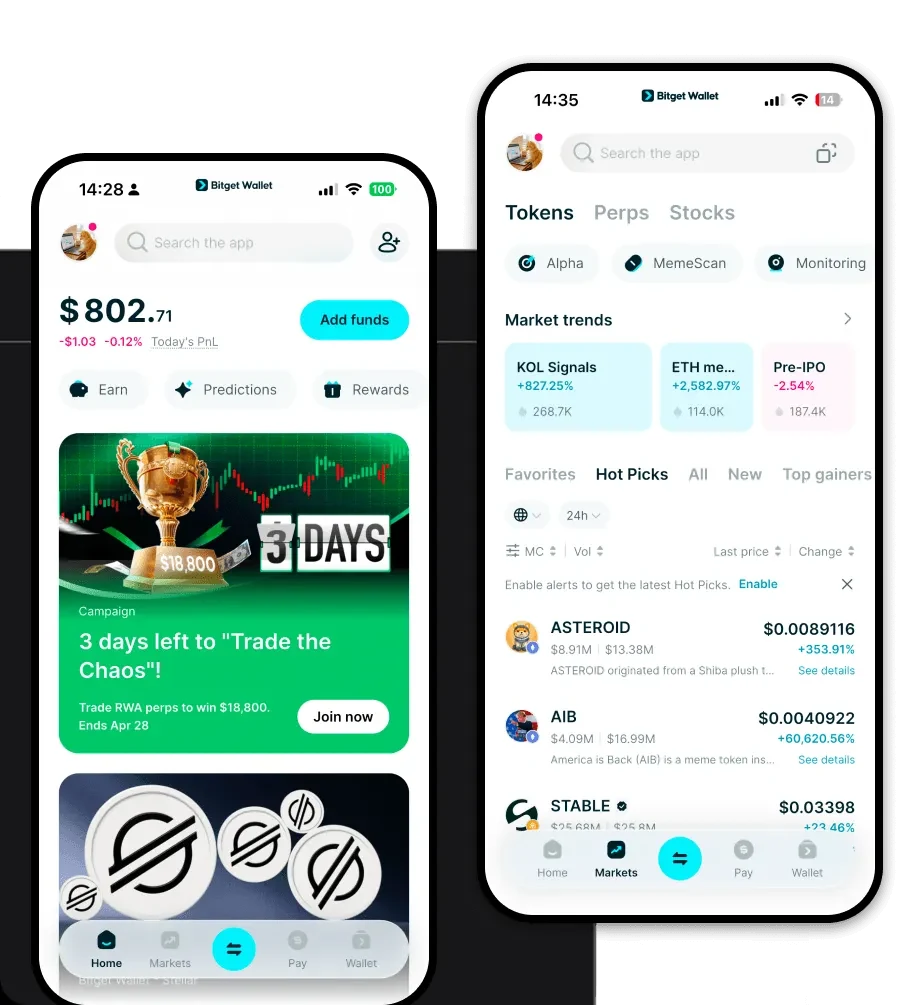
Are you looking for a reliable and secure crypto wallet for your DPIN? Bitget Wallet will be your best choice. Trusted by 40 million users, you can freely explore Web3 on Bitget Wallet. Start your journey now!
2. Download Bitget dpin Wallet
Getting started with your dpin assets requires a secure and user-friendly interface. Bitget Wallet offers a comprehensive solution that supports multi-chain management, allowing you to handle your dpin tokens alongside other assets seamlessly. Whether you are on the go or at your desk, Bitget Wallet provides a consistent experience across platforms.
You can access your assets through the dedicated mobile app available for iOS and Android, or via the browser extension for desktop interactions. This self-custodial wallet ensures that you hold your private keys, providing you with full control over your funds. To begin your journey, you can [download Bitget Wallet](https://web3.bitget.com/zh-CN/wallet-download) and set up your account in minutes.
3. Why Choose Bitget dpin Wallet?
Choosing the right wallet for DePIN assets is critical due to the complex nature of infrastructure protocols. Bitget Wallet stands out with several key advantages tailored for the EVM ecosystem:
- EVM Native Compatibility: Bitget Wallet is built with full support for EVM-compatible chains, ensuring that dpin token transactions are processed smoothly with standard gas fee management.
- Robust Security Architecture: With a 300 million USD user protection fund, Bitget Wallet provides an extra layer of security, safeguarding your assets against potential vulnerabilities.
- Seamless DApp Browser: The integrated Web3 browser allows you to connect directly to DePIN platforms to perform resource provisioning or staking without leaving the app.
- Low Latency Connectivity: Designed for high-performance networks, the wallet ensures that your transactions are broadcasted with minimal delay, which is essential for real-time infrastructure participation.
- Multi-Chain Asset Management: Beyond just dpin, you can manage assets across 130+ mainstream public chains, keeping your entire portfolio in one place.
4. How to Create a dpin Wallet
Setting up your wallet is a straightforward process that takes only a few minutes. Follow these steps to get started:
- Install the App: Download the official Bitget Wallet app from the website or your device's app store.
- Create a New Wallet: Open the app and select the option to create a new wallet. You will be prompted to set a strong password.
- Secure Your Backup: The app will generate a 12-word seed phrase. Write this down on paper and store it in a secure, offline location. Never share this phrase with anyone.
- Add dpin Token: Once your wallet is active, use the search function to add the dpin token to your dashboard so it appears in your asset list.
- Receive dpin: Click on the 'Receive' button, select the appropriate EVM network, and copy your wallet address to deposit your dpin tokens.
5. What Can You Do With a dpin Wallet?
A dpin wallet is more than just a storage tool; it is your control center for participating in the physical infrastructure economy. Here is how you can utilize your dpin tokens:
- Network Resource Provisioning: You can actively contribute your hardware resources, such as bandwidth or computing power, to the network and manage the provisioning process through your wallet.
- Token Staking for Node Operation: By staking your dpin tokens directly from your wallet, you can participate in running validator nodes, which helps secure the network and rewards you for your contribution.
- Governance Voting: Use your wallet to connect to the project's DAO platform, allowing you to cast votes on governance proposals that shape the future of the infrastructure network.
- Cross-Chain Interoperability: Utilize the built-in bridge features to move your dpin tokens across different EVM-compatible chains, ensuring liquidity where you need it most.
- Decentralized Storage Access: You can use your dpin tokens to pay for and manage access to decentralized storage services, ensuring your data is stored securely and privately.
6. How dpin Wallets Are Different from Other Crypto Wallets
Unlike standard wallets that might only support basic transfers, a dpin wallet is optimized for the specific requirements of infrastructure networks. Because dpin operates on an EVM architecture, the wallet must manage complex smart contract interactions, gas fee estimations, and nonce management, which are fundamentally different from UTXO-based chains like Bitcoin.
While Bitcoin wallets focus on UTXO management and simple value transfers, a dpin wallet is designed to interact with the EVM account model. This means your wallet maintains a state that allows for sophisticated actions like staking, voting, and interacting with decentralized resource markets. Furthermore, the emphasis on low latency ensures that you can participate in infrastructure markets where speed and accurate timing for resource provisioning are paramount.
